- Networth Farmer
- Posts
- A Love Affair With The Earth
A Love Affair With The Earth
"Never underestimate the power of getting back to basics." ~ Frank Sonnenberg

Networth Farmer
February 06, 2026 • Estimated Reading Time: 6 minutes

"Never underestimate the power of getting back to basics." ~ Frank Sonnenberg
Table of Contents
Fields & Frontiers
The Battle for the Super-Potato: Scientists have finally cracked the code to "supercharge" photosynthesis, promising staggering yield hikes for staples like potatoes and rice. For Europe’s AgTech pioneers, it’s the ultimate biological upgrade, but there is a catch. While growers are eager to adopt this sunlight-harvesting tech, they are sounding a loud warning over a fractured market and the EU’s tangled regulatory web. We have the code to rewrite crop potential, yet the bridge from the lab to the European farm remains perilously unstable. It’s a classic showdown between cutting-edge synthetic biology and the brutal reality of the supply chain. Here are more insights on the supercharged photosynthesis discovery.
France Just Admitted Organic Farming Was a Policy Mirage: It is unusual for the French Ministry of Agriculture to admit defeat. Organic agriculture's lofty goals, 18% by 2027 and 21% by 2030, have become "unattainable," according to a damning CGAAER assessment. The industry has been unable to move beyond 10.1% of farmland since 2022. It's a stark diagnosis: "The State treated organic as just another quality label, abandoning it to market forces and consumer whims whilst pretending to offer public support, rather than positioning it as a driver of agricultural transition." The thing is, France gambled that premium-paying consumers would support organic producers with higher pricing by doing away with the maintenance subsidies that were revealed at Tech & Bio 2017. Instead, COVID inflation and the Ukraine war devastated purchasing power exactly when conversion costs were permanently higher than conventional agriculture. Public subsidies for organic conversion don’t really matter if the maintenance support disappears and retail markets struggle with price pressure, right? TechRadar. Germany connects organic support straight to ecosystem restoration and water quality, seeing it as a way to achieve environmental goals rather than just a market niche. France went with markets. Looks like the markets went with the conventional route.
Audacity to Cut Up Perfectly Good Discs: Meet Ben and Sean Plozza, who spent a month cutting heavy-duty discs into "flower petal" shapes because Western Australia's water-repellent soils were thrashing their yields. After watching their neighbour's standard Chamberlain plough somehow coax germination from late-season rainfall in 2013, the brothers knew they "needed to do something” Their first attempt? "We failed, we made the paddock worse." Then their uncle suggested something brilliantly simple: lift every second disc arm. That observation became the foundation for Plozza Ploughs, modified one-way disc ploughs that invert WA's notorious sandy topsoil and incorporate lime at depth. Ten years on, repeat customers are ordering multiple disc sets, and South Australian farmers are reporting "tonne to multiple tonnes per yield improvements." The brothers still hand-guide every installation, even over the phone with photos and videos, because getting it wrong costs seasons. This goes to show just how simple problem-solving in the farm can become a lucrative scalable technology.
Brain Teaser
A bus driver goes the wrong way down a one-way street. He passes police officers, but they don’t stop him. Why?
New In Ag-Tech
Why Europe's Farms Need AI-Ready Satellite Data
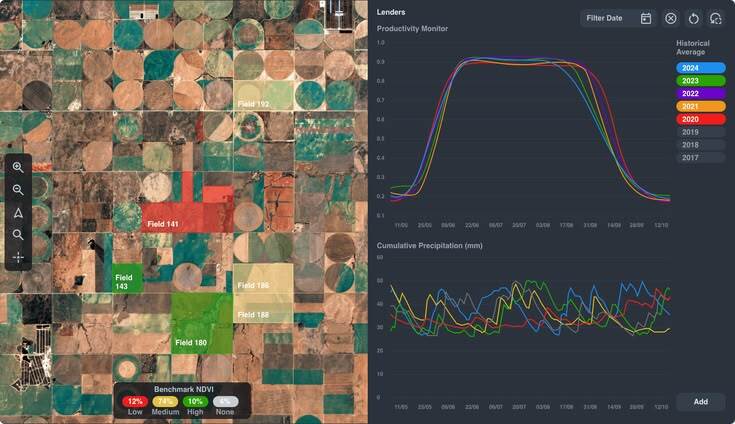
A ten-satellite constellation, launched in 2025, was very different from what other companies are doing. Instead of focusing on improved resolution, it focuses on daily worldwide coverage with scientific-grade accuracy. This difference is quite important for Europe's 10 million farms that have to deal with changing weather and follow CAP rules.
How AI Changes the Game
What's the hidden truth about satellite agriculture? Beautiful imagery doesn't really do much good if you don't have the right field boundaries in place. In the past, figuring out where one piece of land stops and another starts meant a lot of manual map-making, which was pretty time-consuming and made it tough for small and medium-sized enterprises to get on board.
Earth Daily is teaming up with DigiFarm to roll out some cool AI-powered field boundary detection. This tech is set to automate a process that used to take hours of human work to figure out. Machine learning algorithms that are trained on multi-spectral imagery can now outline field edges with a level of precision that competes with manual mapping. They do this on a commercial scale.
This is the point where AI really starts to play a key role. The company's "super-spectral" imaging creates data that's ready for analysis and tailored for machine learning applications. Farmers no longer have to wade through generic satellite feeds. The newly rebranded Geosys platform provides modular data blocks that are designed for specific agronomic decisions, like when to irrigate, how to manage nitrogen, and predicting pest pressure.
The Time Edge Europe Could Use
Right now, satellite systems are able to capture images of any field every 7 to 14 days. In European agriculture, the weather can change quickly, and keeping up with regulations means you need to verify things in real time. This gap can lead to some important blind spots.
EarthDaily-Agriculture-Data2
Daily coverage changes what we can actually do in agriculture. Crop stress detection is shifting from looking back at past data to providing alerts that help us take action. Sustainable practice verification is moving away from those seasonal audits and heading towards continuous monitoring instead. Assessing the impact of extreme weather is now something we need to do right away instead of putting it off.
AI really boosts this time advantage in a big way. Machine learning models that use EarthDaily's thirty years of agronomic satellite data can spot subtle spectral signatures that show crop stress three to five days before you can actually see any symptoms. For a Bavarian wheat farmer dealing with fungal issues or a Sicilian olive grower handling water shortages, the time they have to act really makes a difference in how successful their interventions will be.
The Pragmatic Architecture
Gebhardt's approach really aligns with the Farmtopia philosophy. It’s all about working with what’s already there in agriculture instead of pushing for a complete overhaul. The platform acts like a bridge, linking daily satellite insights with farm management systems, advisory networks, and cooperative setups that are already part of European agriculture.
The future of agricultural remote sensing isn't exactly crystal clear. It's data that comes in every day, ready for AI, showing up just when you need it for agronomic decisions-turning satellite tech from cool visuals into real, actionable insights.
Digital Pasture
Roots & Records
Nature's Tale of Valentine's Day
In the chill of mediaeval February, across the frost-touched landscapes of France and England, people noticed something remarkable. As winter's grip began to loosen, birds stirred from their quiet dormancy. Rooks gathered in raucous parliament atop bare oak branches. Doves cooed from church eaves. Robins flashed their crimson breasts amongst hedgerows still pearled with morning frost.
To mediaeval eyes, this avian awakening signalled nature's grand romance beginning anew. Farmers pausing in their fields, monks tending monastery gardens, and nobles peering from castle windows all witnessed the same spectacle: birds choosing their mates as February waned. This observable truth wove itself into the cultural tapestry, transforming St Valentine's feast day into something far more than religious observance.
The Poet's Parliament
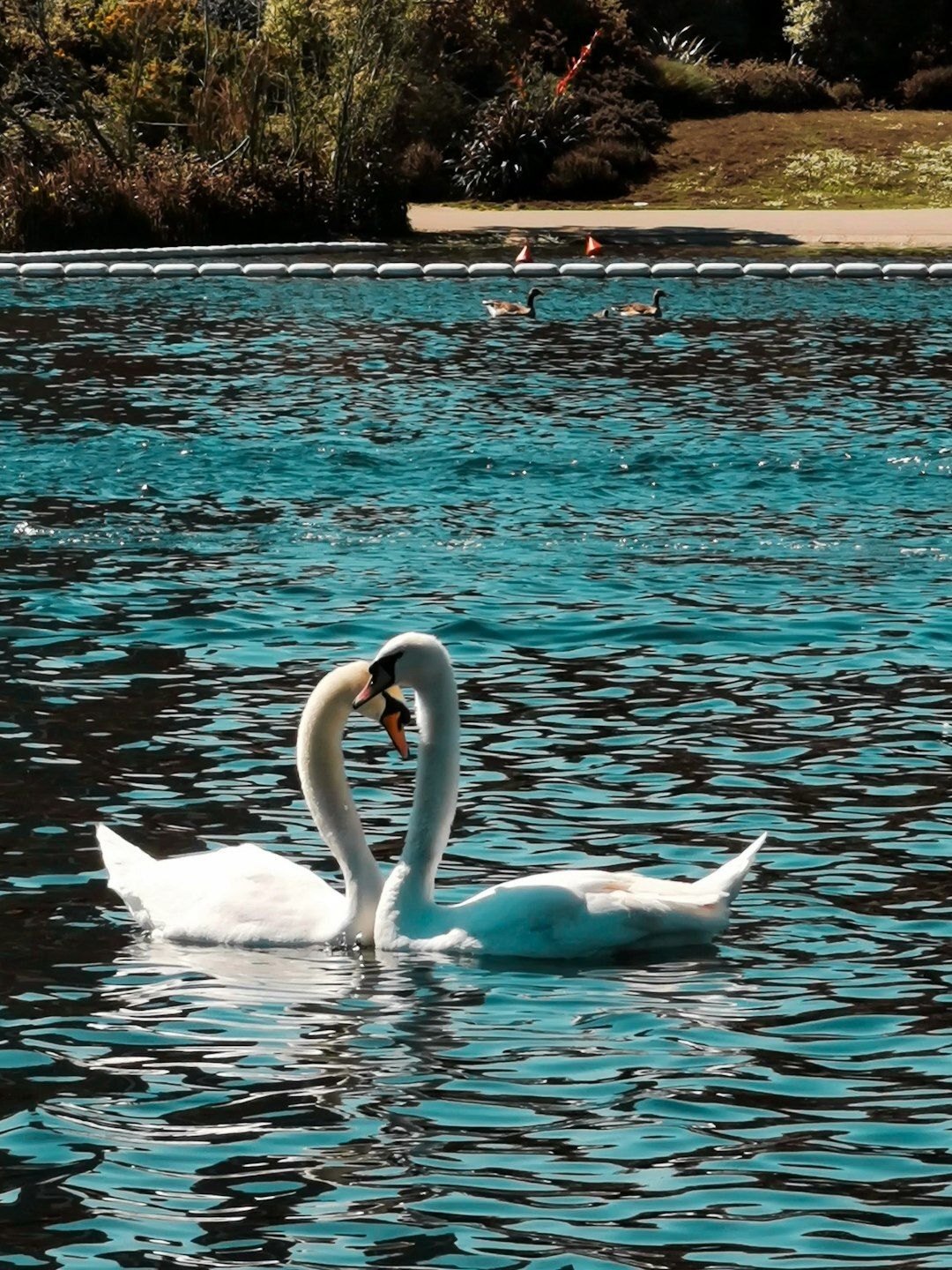
When Geoffrey Chaucer penned his "Parliament of Fowls" in 1375, he immortalised this connection. "For this was sent on Seynt Valentyne's day / Whan every foul cometh ther to choose his mate." The poet portrayed a flock of birds on St. Valentine's Day, each one searching for its spouse. Although it is still debatable whether Chaucer codified or originated the custom, his words unquestionably popularised the connection between February 14th and courtship.
Although the date was more based on legend than ornithological fact (most birds in Britain mate later), the metaphor nonetheless managed to fascinate the hearts of mediaeval people. It seems reasonable that people would follow in the footsteps of the swans and the sparrows, who both pledged their troth as winter gave way to spring.
Love Lessons from Our Feathered Friends
Commitment Matters: Many bird species mate for life, demonstrating loyalty through seasons of plenty and scarcity alike.
Courtship Requires Effort: From elaborate dances to carefully constructed nests, birds invest tremendous energy in wooing their partners.
Communication is Key: Birds develop unique calls and songs to maintain their pair bonds throughout the year.
Partnership Means Collaboration: Both parents often share duties, building nests, incubating eggs, and raising young together.
Renewal Strengthens Bonds: Even lifelong mates perform courtship rituals annually, never taking their partnership for granted.
More Fields & Frontiers
Working With What We Have: Imagine growing enough food to feed an entire village—not on sprawling acres, but in the modest space behind your home. That’s exactly what this inspiring Ugandan farmer achieved, proving that passion, creativity, and small-scale farming can deliver big results. What new ideas could make this work even better in European peri-urban gardens and rooftops? Let’s watch and learn on YouTube.
Mexico Commits to Rio Grande Water Debt Repayment: Good news for Texas farmers: Mexico promises to make up the difference under the 1944 Water Treaty, bringing much-needed Rio Grande water after years of delays caused by drought. Mexico was supposed to get 1.75 million acre-feet every five years, but the last cycle ended early, hurting South Texas agriculture. Fields were left empty and the US gave $280 million in aid as a temporary solution. This promise involves both immediate transfers and a long-term plan. This calms tensions that had been high because of past shortages that led to calls for retaliation. For global agriculture, enforcing treaties is a gain in the face of climate change. Find the statement by the secretary of state on USDA.
Specialty Crops, The Endurance Grind: As costs go up and wholesale prices stay the same, US speciality crop growers are stuck in a gruelling endurance game that turns farming into a survival marathon. Volatility hits hard: bad weather, pests, rules, and commodities that go bad quickly, offering little room for error. Exporters look to global buyers for cheap imports. Farm organisations are asking for help, requesting $5 billion through MASC expansions, but they are worried about the $12 billion financing gaps that will be due on January 30. AgTech can't fix the economy by itself. Will Congress do what it promised, or will more fields go to waste?
Answer to Brain Teaser
He's walking on the sidewalk.
Till You Laugh

Disclaimer

Follow
  |   |