- Networth Farmer
- Posts
- Eco-logic Unplugged
Eco-logic Unplugged
“Dreams come true. Without that possibility, nature would not incite us to have them.” ~John Updike

Networth Farmer
November 14, 2025 • Estimated Reading Time: 7 minutes

“Dreams come true. Without that possibility, nature would not incite us to have them.”
~John Updike
Table of Contents
New In Ag-Tech
The Red Arrows Pilot Taking On Agriculture's Billion-Tonne Carbon Problem
Justin Hughes, a former RAF Red Arrows fighter pilot, has switched from flying fighter jets to farming. He started Net Zero Nitrogen to get rid of synthetic nitrogen fertiliser, which is responsible for about 1 billion tonnes of CO₂ equivalent emissions each year that contribute to global warming.
Military Precision Meets Farm Usefulness
Hughes's military history appears in the way he plans things. Instead of asking farmers to use expensive, complex biological products that may not work, NZN made a freeze-dried bacterial powder that farmers can add to water when they soak rice seeds, which they already do. Hughes says, "You're not asking the farmer to change their behaviour." "You're putting the fuel (the bacteria) right next to the engine (the plant cells) with surgical precision."
The bacteria live in plant tissues, which lets crops fix nitrogen straight from the air with almost 100% success, while synthetic fertiliser only works 30% to 50% of the time. This gets rid of gearbox loss, nitrate pollution, and nitrous oxide emissions, and it gives the same or greater yields at a reduced cost. Hughes considers it "effectively a green discount—at the same time, we're greener and cheaper."
Funding Momentum and Results in the Field
The company, which is situated in Nottingham and was created in 2022, has raised a total of €7 million in investment. Gary Devine is the Chief Scientific Officer, and Alan Burbidge is in charge of corporate affairs. Their €5.6 million seed round in September 2025, which was co-led by World Fund and Azolla Ventures, will help them grow their business in the ASEAN region and on a larger scale.
Field tests reveal that less synthetic fertiliser is used and yields go up. Importantly, the solution is non-GMO, meets EU regulations, and doesn't need any new farm equipment. World Fund says that NZN's product might cut emissions from fertiliser manufacturing by 88% compared to regular synthetics.
Why Farmers Really Care
Hughes doesn't hold back when talking about the competition: "If the Haber Bosch process were invented today, it would be illegal, like alcohol or tobacco." His solution goes after the $200 billion synthetic fertiliser sector with a product that is about one-150th the volume of synthetic nitrogen. This makes distribution much cheaper and easier.
Hughes says that farmers care about the environment, but they can't put it ahead of business basics. NZN, on the other hand, always focusses on price. The cost of fertiliser is still "the single biggest problem from a farmer's point of view," especially after the war in Ukraine. When Hughes talks about price cuts, farmers usually say, "Why wouldn't we do this?"
What's Next for 2026?
Rice is NZN's first target market since the bacteria works better when there is water, and rice seeds are usually soaked before planting. NZN is working on getting certified in its target markets while also concluding partnerships for commercial offtake and biomanufacturing. Hughes thinks that biology will win out over chemistry since fertiliser markets are expected to rise by 2.1% a year and climate change is making things worse. "The reliance on synthetic nitrogen fertiliser is not sustainable." Now is the perfect time for our product.
Brain Teaser
I am a shift that feels like a race, but my pace is slow, causing much disgrace. What am I?
90% Technology Adoption Rate: Beyond the Numbers
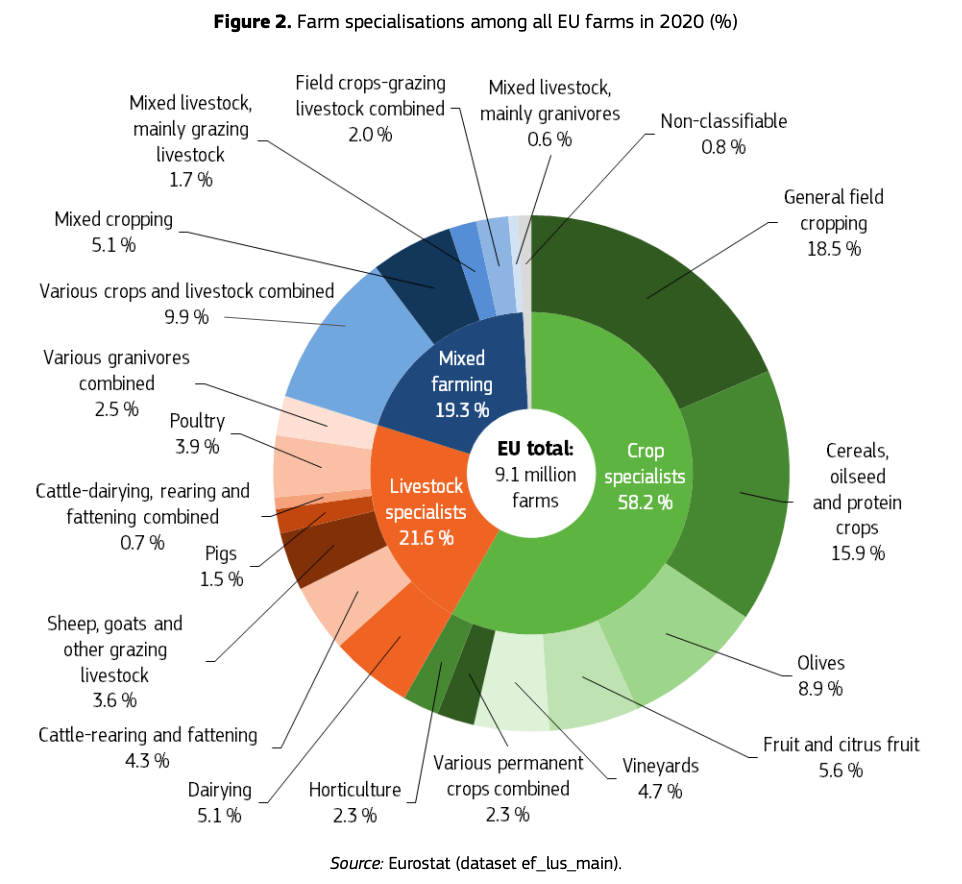
The stereotype of the tech-resistant farmer is officially dead. A groundbreaking report from the European Commission's Joint Research Centre reveals that over 90% of EU farmers are now using at least one IT or software tool, marking a seismic shift in European agriculture's digital transformation.
The Technology Uptake Reality
The State of digitalisation in EU agriculture report paints a picture of rapid adoption across the sector. Seventy-nine percent of farmers are using at least one crop-specific technology, while 83% have adopted livestock-specific tools. This isn't tentative experimentation—it's mainstream integration of digital solutions into daily farming operations.
Farmer Optimism Runs High
Perhaps more significant than adoption rates is farmer sentiment. Just over three-quarters of surveyed farmers believe more IT will deliver economic benefits, while 72% foresee environmental gains and 67% anticipate positive social outcomes. This optimism suggests the digital transformation isn't being imposed from above—farmers themselves recognize technology's value proposition.
The Unfinished Revolution
Despite impressive progress, the report identifies critical gaps. The real barrier isn't technology adoption but data interoperability and administrative integration. Farmers are willing to use digital tools, but fragmented systems and lack of data standardization create unnecessary burdens.
The European Commission has launched an interactive dashboard alongside the study, allowing policymakers and researchers to identify where targeted action is most needed. This data-driven approach to agricultural policy represents exactly the kind of evidence-based governance the sector requires.
What This Means for AgTech
For AgTech entrepreneurs and investors, the message is clear: the market has matured beyond early adopters. With 90% penetration, the opportunity lies not in convincing farmers to go digital, but in solving interoperability challenges and reducing administrative friction. The next generation of successful AgTech solutions will be those that integrate seamlessly across existing systems rather than adding yet another standalone platform to farmers' digital toolkits.
Digital Pasture

Fields & Frontiers
Naïo’s New Lease: After a tough year, French ag-robotics company Naio technologies is kicking off a new chapter with new ownership—and this time, things are really picking up speed. Naïo is making a strong comeback with €6.4 million in new funding and a refreshed leadership team. Their goal? To produce 100 robots each year and hit €11 million in revenue by 2030. Naïo’s robots are already helping farmers cut down on herbicide use by as much as 70%, and they’re working across five continents. The company is really honing in on trusted markets such as France, Spain, Italy, Poland, and Germany. They're all about making a real-world impact with things like autonomous weeding, electric drive, and smart deployment. If your innovation aligns with solutions that are easy on labour, low in emissions, and focused on outcomes, then Naïo’s reboot shows that investors and farmers are ready for this kind of approach.
Uncle Sam's Buzzkill: Just as Europe was perfecting the art of the CBD-infused spa day and the 'wellness' brownie, our American cousins are considering a move so straight-laced it would make a Puritan blush. US lawmakers, in their infinite wisdom, are proposing a federal ban that would essentially outlaw any hemp product that provides the faintest whisper of a high. It seems the land of the free is having a sudden, dramatic panic attack over the very plant that makes their gummies interesting. While we debate the merits of a CBD spritz in our sparkling water, they're preparing to turn the clock back to a time when "hemp" was just a suspiciously strong rope. Get Wired here.
The Results Are In: European arable farmers are getting a strong, high-tech partner in their ongoing fight against black grass. Bosch has wrapped up a significant smart-farming project, taking things from theory to reality with a practical, AI-driven solution for one of the continent's most stubborn and expensive weeds. The system uses smart cameras and advanced AI on farm machinery to spot black-grass as it happens. Instead of just spraying everything in sight, this technology allows for targeted herbicide application right where the weeds are. Pretty cool, right? It’s a win all around: they’re seeing a big drop in chemical use, farmers are saving money, and they’re making great progress towards more sustainable crop protection rules. Bosch is taking this technology from a successful research project and making it a reality in the commercial world. This technology is a real step forward for agronomists and forward-thinking farmers in Europe when it comes to managing crops. We're moving past the days of tackling weeds with sheer strength; now, it's all about smart, data-driven precision.
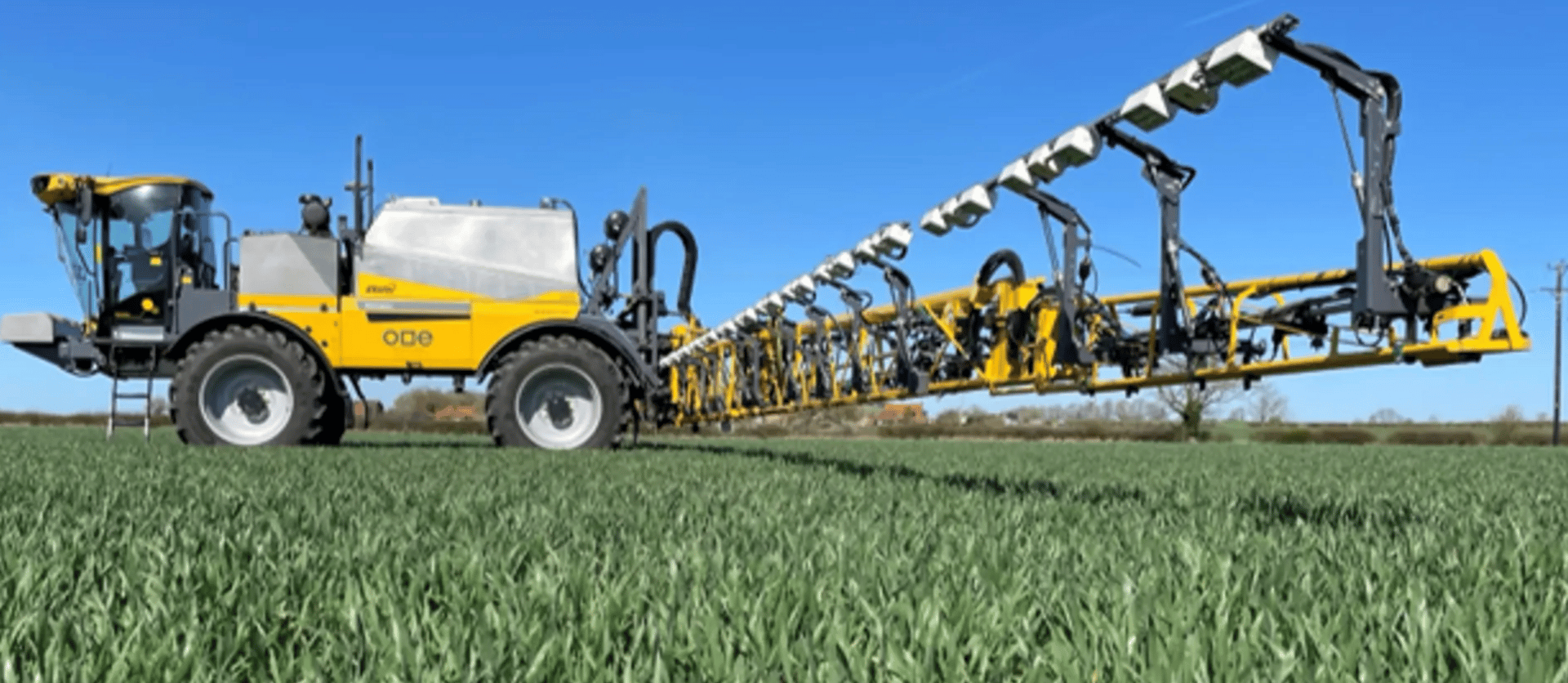
Kubota & Kilter: A Power Couple Arrives in Europe: There's an exciting partnership on the horizon that’s going to change the game for sustainable farming all over the continent. Kubota, a major player in agricultural machinery, is teaming up with Kilter Systems, the Finnish innovators known for their advanced autonomous farming and water management solutions. Picture this: Kubota's impressive machinery working hand in hand with Kilter's smart AI platforms, making operations run smoothly and ensuring water control is spot on. Indeed, this is a smart blend of raw power and sharp thinking. This robust mix is set to address some of our biggest issues, like labour shortages, water scarcity, and the pressing need for better input optimisation. This is a game-changer for farmers and agronomists in Europe, marking the start of a new era with technology that's both accessible and super efficient. The future of farming is being shaped by two major players, and it's headed straight for your fields.
Mortgage Mayhem: American investors are reeling after a proposed mortgage rule, dubbed a "disaster" by Shark Tank's Kevin O'Leary, threatens to upend the property market. The plan, which would compel some homeowners to forfeit a portion of their future price appreciation in exchange for lower monthly payments, has been slammed as a "terrible deal" that could decimate the appeal of buying a house as an asset. Never one to hold back, O'Leary cautions that this government intervention could fundamentally "destroy the market" by removing the primary financial incentive for house ownership. For aspiring homeowners on both sides of the pond, it’s a startling glimpse into a controversial new path for housing policy. Dive into Shark Tank for more details.
The 2026 Capital Shift AgTech Can't Ignore: a significant player in the US impact investing scene has shared its plans to hone in on environmental and social themes for 2026. This declaration isn't just a small tweak to the portfolio; it's a big-picture strategy that will steer their investments moving forward. For us working in AgTech, this declaration is a rallying cry. The themes that Caprock brought up, like sustainable food systems and resource security, really form the foundation of today’s agricultural technology. It demonstrates that the capital required to cultivate your solutions is waiting for you, but there's a catch: your measurable impact must match the strength of your financial model. The full report on Skill Farm is an essential read.
A Thought for Friday
The Optimist’s Algorithm
There is a "Gary" in every village. This is the one farmer who always welcomes you with a smile and says, "If I were any better, I'd be twins!" He lost a crop to drought but planted again. The person who sees mud instead of sadness when it rains constantly is the one who benefits from this technology.
Gary's narrative, which he got from the restaurant floor instead of the farmyard, isn't about luck. It's about a way of thinking: developing your own software every day in silence. He chose to start over every morning with hope, exactly like today's precision farmers do when they reset their systems to get new data. The weather, the markets, and the machines are all things that can change. But what about the OS? That's you.

When Gary confronted genuine danger, shot during a heist, he made the most profound decision of his life: to live. That same determination keeps European farmers going every season, even when prices drop, crops fail, or policies change. There are things you can't control in farming, just like in life. But, like excellent soil, attitude determines what grows.
So when your boots contact the cold tomorrow morning, follow Gary's formula. Pick progress over sadness and strength above regret. The major change in farming isn't simply in drones, sensors, or AI; it's in the way we think that keeps us going no matter what the weather is like.
Answer to Brain Teaser
Climate Change
Till You Laugh


Disclaimer

Follow
  |   |