- Networth Farmer
- Posts
- Lettuce in Space
Lettuce in Space
The world will never starve for want of wonders; but only for want of wonder," ~ G.K. Chesterton.

Networth Farmer
November 28, 2025 • Estimated Reading Time: 15 minutes

“The world will never starve for want of wonders; but only for want of wonder," ~G.K. Chesterton
Table of Contents
New In Ag-Tech
The Herbicide Exit Strategy
The EU's Farm to Fork plan called for a 50% reduction in pesticides by 2030. This meant that European farmers couldn't keep their yields up without their major tools for controlling weeds. Laser Weeder from Carbon Robotics might be the answer, since it uses lasers that are accurate to within a millimetre to kill weeds without hurting crops.
Regulation Built Technology
The LaserWeeder G2 can tell the difference between crops and weeds in real time by using computer vision trained on 40 million plant pictures. It then employs high-powered lasers to kill the weeds. The device can move across fields on its own, day and night, in almost any weather, without using chemicals, disturbing the soil, or requiring any manual effort. European speciality crop growers, especially those who raise organic crops, find economics appealing. Carbon Robotics says that its weed removal will cost 80% less and produce more crops without harming them. In Europe, herbicide limits, labour restrictions, and chemical-free organic certification criteria are all dealt with at the same time.
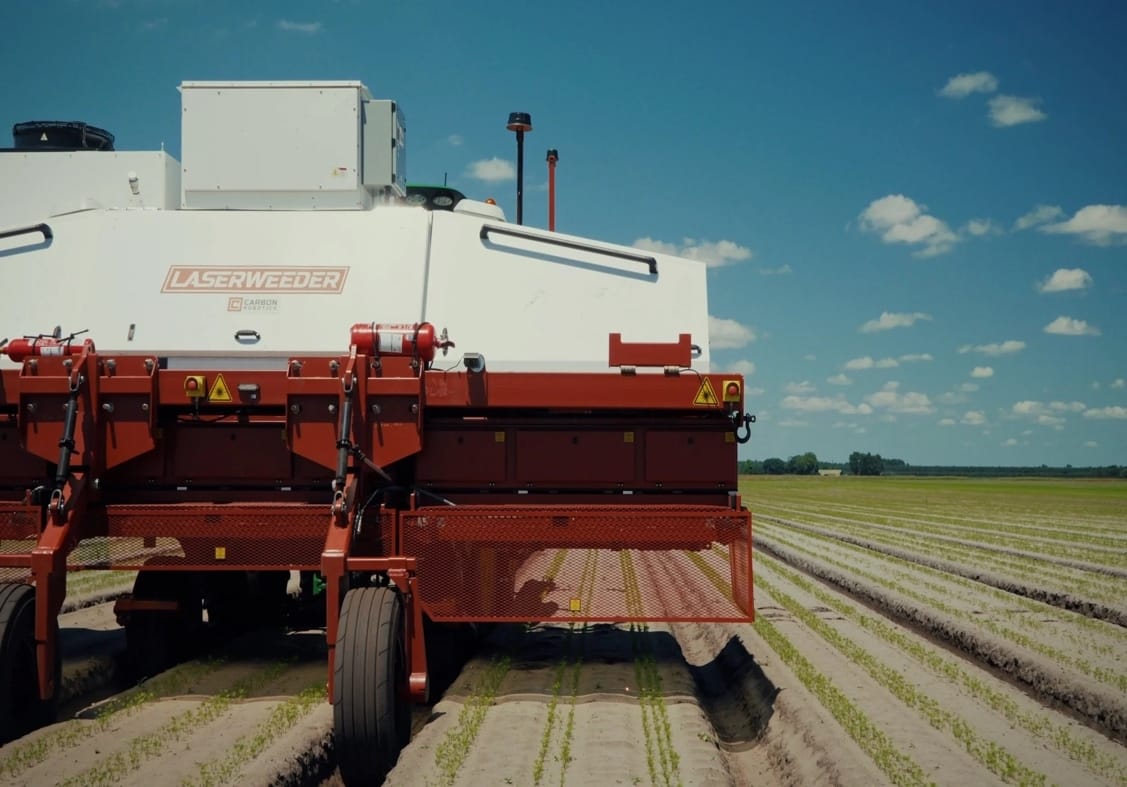
Photo Credits: Carbon Robotics
Specialisation to Scale
Carbon Robotics employed the "Tesla strategy" of starting with high-value specialist crops and then moving on to row crops like soybeans and maize. The G2 line contains smaller, lighter units that are better for Europe's smaller farms and moving around in the field.
The company thinks that regulatory pressure would speed up adoption in Europe faster than in places with less rules, thanks to $70 million in recent manufacturing funding. The LaserWeeder on carbonrobotics.eu proves that the company is serious about the European market.
Arbitrage in Regulations
European farmers believe laser weeding is worth it, whereas American farmers disagree. Because rules are making herbicide selection harder, the decision isn't whether to use non-chemical weed management, but which. Scaled manual weeding is too expensive. Machine farming disrupts plant roots and soil structure. EU agricultural policy encourages laser weeding, which uses heat instead of chemicals or soil disturbance.
Laser Weeders are not new to European farmers; they help them follow the rules. Early adoption will give farms genuine benefits and proof points that will make authorities tighten boundaries and realise there are other possibilities.
Brain Teaser
Turn me on my side and I'm everything. Cut me in half and I'm nothing. What am I?
What Lettuce in Space Could Teach Your Farm About Crop Stress
Australian researchers are launching lettuce into orbit in April 2026, but this isn't about feeding astronauts. It's about solving a problem that's costing farmers millions right here on Earth. UniSQ's Centre for Agricultural Engineering has developed an AI algorithm that spots plant stress through standard camera footage—detecting issues well before they're visible to the human eye or traditional methods.The technology is so promising that it's being tested in a specially designed, flight-certified growth chamber during a two-to-three-week space mission.
"The technology evaluation in space is directly translatable to production systems on Earth. It is anticipated that the low-cost machine vision technology can be integrated into indoor farming systems to provide feedback to farm managers on plant growth issues before they become visible".
What makes stressed lettuce in zero gravity the perfect test case for revolutionizing automated farming back on Earth? And why are international space companies betting on this?

Zero gravity creates the perfect stress laboratory. In space, plants face extreme conditions that accelerate stress responses, allowing researchers to validate their AI detection system under the harshest possible circumstances. If the technology works in orbit, it will excel on Earth.
The Genius Lies in Accessibility.
Professor Bell's team has developed low-cost machine vision technologies over many years, specifically to enhance plant growth and yield on farms—no expensive sensors required, just standard cameras and smart algorithms. International companies like Axiom Space and Yuri Gravity are betting on this because "future farming systems will require robust automation technologies to reduce the labour of plant maintenance" whether you're growing crops in a Mars habitat or a vertical farm in Melbourne.
The stressed lettuce becomes the proof of concept: automated detection of growth issues before they become visible enables improved crop management, reducing losses and labor costs. Space missions drive innovations that benefit remote locations on Earth—your farm included.
Digital Pasture


Fields & Frontiers
The Ship That Launched a Financial Revolution: Centuries before the FTSE or the Euronext, a port city gave birth to a radical idea that forever changed the course of global commerce. It began with a daring venture so perilous that no single investor would dare fund it. What came out of it? A revolutionary act of shared ownership that pooled vast capital and dispersed unimaginable risk, creating the world’s f’s first true blueprint for the modern corporation. This entity didn't just trade goods; it minted millionaires, wielded power rivaling nations, and spawned the very theatre of speculation we now call the stock market. But what was this colossal enterprise, and what were the astonishing consequences of its creation? The answers lie in the origins of a financial instrument we now take for granted.
BEAM Circular Accelerator Seeks Five Startups: A potent new catalyst is available to European entrepreneurs who have ideas for creating a regenerative bio-economy. The BEAM Circular Accelerator has begun looking for five innovative start-ups to become part of a fully funded program that aims to scale real breakthroughs in the vibrant Gelderland region of the Netherlands. The accelerator is especially looking for businesses that turn organic and agricultural waste into useful products. The development of new bio-based materials to replace synthetics, the creation of renewable food and cosmetic ingredients, the introduction of green chemicals and biofuels, and the use of intelligent technology for effective biomass valorisation are all examples of highly sought-after advancements. This is an appeal for workable ideas that complete the circle and transform waste streams into sources of income. With the support of a coalition committed to bringing the circular economy to the commercial sphere, there is an opportunity to transition from lab-scale success to impact that is ready for the market.
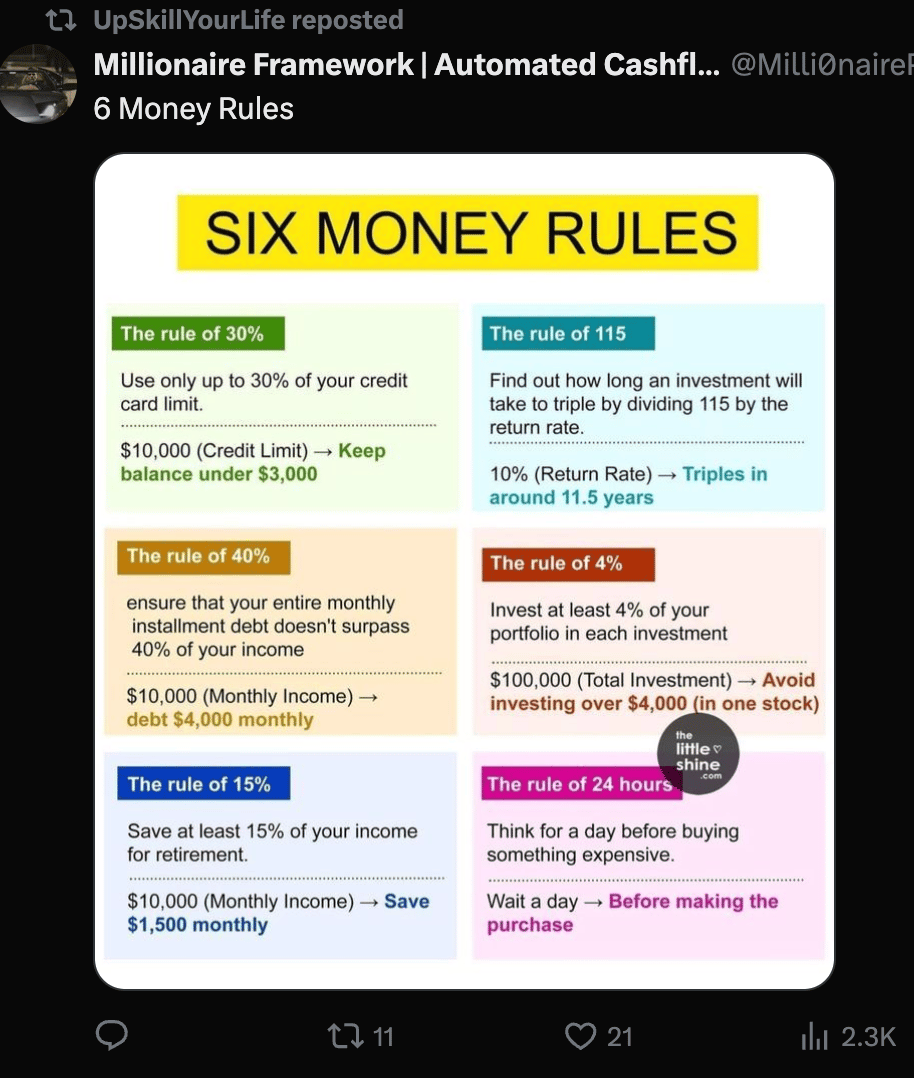
High Growth Horizons: Curious which countries are sprinting ahead in 2025? A recent infographic from Visual Capitalist reveals that economies like Ireland (forecast 9.1%) and the Kyrgyz Republic (8.0 %) are set to lead global growth this year — while others lag behind. For Europe, the takeaway is clear: growth is uneven. Some nations are punching above their weight, while others struggle to keep pace. If you're in AgTech or any growth-oriented sector, the message is simple: market timing matters. Aligning with genuinely expanding regions could make a real difference whether you're scaling up or launching new innovations. Ready to spot the opportunities before everyone else does?
Pioneering a New Era in Insect Control: Chemicals have been used to get rid of bugs for more than one hundred years, but things are starting to change. Biocentis, a biotech company that grew out of Imperial College, has received $19 million to use a biology-first method to change the way pests are controlled. Their cutting edge genome engineering tool makes insects that are less fertile, which reduces harmful populations without hurting other species or the environment. Biocentis simulates real biological systems using digital twins powered by AI to speed up growth and spot new threats before they happen. The company's first focus was on mosquitoes that spread disease and invasive fruit flies. Its goal is to provide safer, more effective, and long-lasting remedies. Biocentis' method is better than Sterile Insect Technique because it uses fewer insects and more advanced, hands-free sex sorting, which lowers costs and makes the process simpler. This new discovery could change the way we protect health, crops, and biodiversity in a way that is beneficial for the environment. Tests are planned for the US and Brazil.

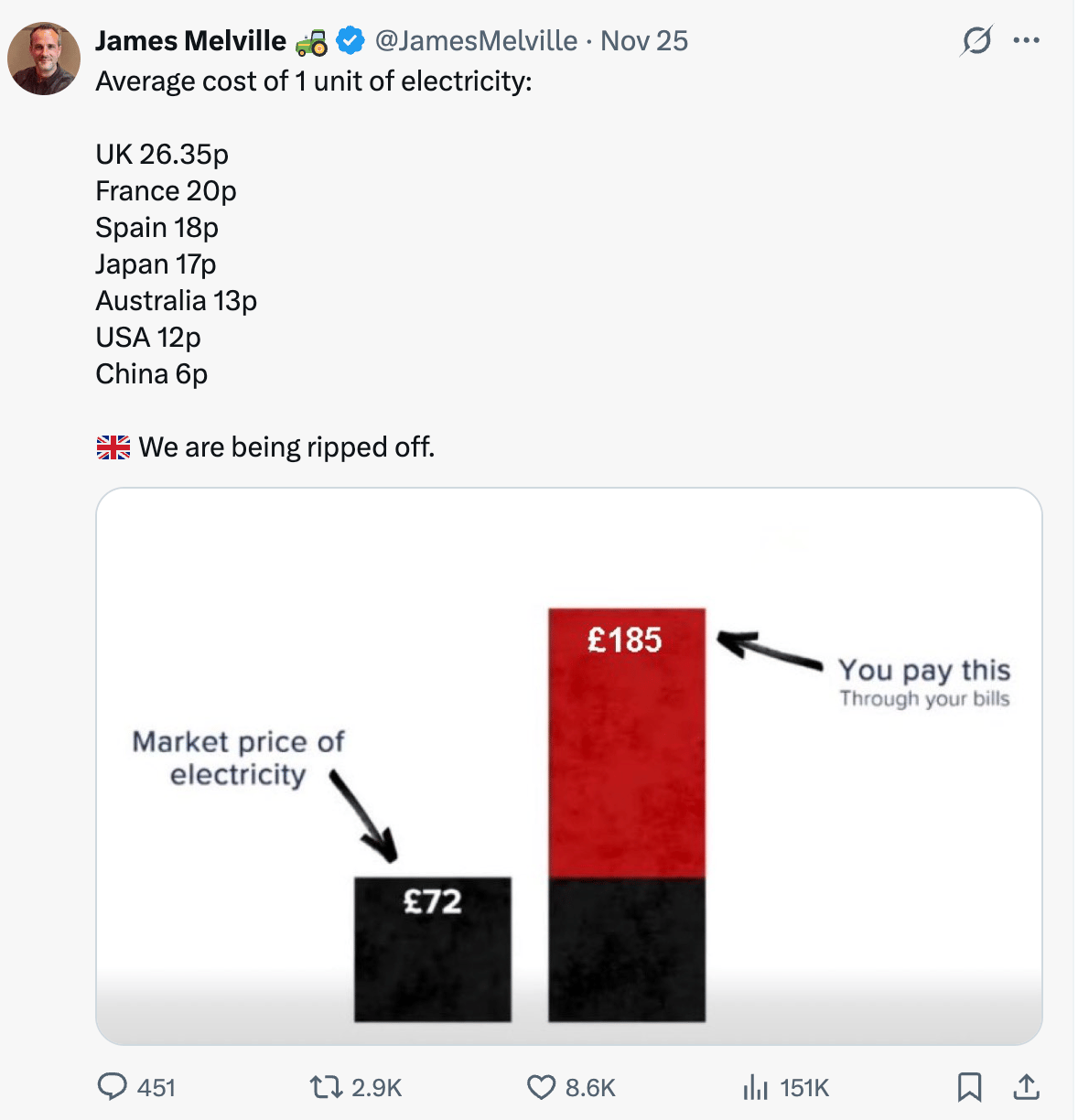
When Cloud Gives but Takes: Cloud storage sounds like magic until you stop paying. Then, the cloud storage companies go full ghost mode. First, they lock your access. Then comes the “grace period,” which feels like a digital purgatory. Your files are there, but you can’t touch them. After a few months, if you’re still unpaid, they start the digital composting process: deletion. Welcome to the digital Bermuda Triangle, where neglected cloud accounts quietly implode and take your farm's digital lifeblood with them. I found this interesting article by WIRED that shows what happens to your data when you stop paying for cloud storage.
Balancing Ideals and Income: In France’s organic cereal farming sector, a striking 67% of growers are unhappy with their earnings—even as consumer demand for ‘bio’ products resurges. The Reussir survey reveals that farmers, especially those involved in large-scale crops, feel squeezed by low prices, high costs and volatile yields. Despite their devotion to ecological methods—93 % say bio farming makes them proud—many consider quitting. The irony is palpable: a proud movement toward sustainability, yet a bleak financial reality. For European AgTech professionals, this signals an urgent gap: even “green” transitions fail without economic viability. If Your technology solution supports biograin growers by providing yield optimisation, reducing costs, or offering premium market access; now is the time to act.his is because passion alone cannot pay the bills.
Human Brain Evolution: This remarkable study shows how our brains changed throughout time, affecting everything from basic survival skills to more complicated social relationships and abstract thinking. Each era reveals important changes that make us different from other species. They provide us an exciting look at the forces that have shaped our minds over millions of years. Take a scientific journey and learn about the amazing story of how the brain evolved, which still affects how we think, feel, and connect today. Get ready to be astounded by the amazing story of how people think. NBC News shares the thought.
A Thought for Friday
Shear Self-CompassionI have to say this. For a long time, I found myself being the jealous one at the cooperative. While my neighbours were bragging about their amazing harvests, my fields just seemed worn out. I kept thinking I just wasn’t good enough, like I’d never be able to reach their level of success. The constant criticism really took a toll on my motivation. I used to think that pressure and tough words would push me forward. “Give it a little more effort.” Put in some extra hours. “Looks like you’re lagging a bit.” But instead, the heaviness just left me stuck. The more I beat myself up, the less I actually did anything. So, it turns out that research backs up what I | figured out through experience: being hard on myself can actually trigger the same stress responses as facing real dangers. It really puts a damper on creativity, problem-solving, and even the desire to give things a shot. What really made a difference for me was learning to be kind to myself. It may seem gentle, but it’s definitely not a sign of weakness. It's fuel, you know? When I started chatting with myself like I would with a friend—“You’re doing your best.” Why not kick things off with just one row today? I've seen a shift. I wasn't as stuck. I can totally perform, even when things get tense. A little encouragement really helped make the work feel easier, and surprisingly, I ended up getting more done. In farming and in life, comparing ourselves to others can really be harmful. Compassion really opens up opportunities for growth. That doesn't mean you should stop pushing forward. It’s all about showing yourself some kindness that helps you keep going, even when things get tough, whether it’s the weather, the market, or your own uncertainties weighing you down. |

The next time you find yourself being hard on yourself for things that aren't perfect, take a moment to pause. Swap out the critic for the coach. Give yourself the same kind words you’d share with your son, daughter, or coworker. Just take that tiny step forward.
Answer to Brain Teaser
Number 8
Till You Laugh


Disclaimer

Follow
  |   |