- Networth Farmer
- Posts
- Real Gains for Real Farmers
Real Gains for Real Farmers
A billionaire is someone who can positively impact a billion lives.~ Brock Pierce

Networth Farmer
December 10, 2025 • Estimated Reading Time: 12 minutes

“A billionaire is someone who can positively impact a billion lives.,” ~ Brock Pierce
Table of Contents
Fields & Frontiers
New Farm Tools: In all honesty, when I first heard about tiny peptides revolutionising crop protection, I raised an eyebrow. But after digging into Micropep Technologies’ latest push, I’m convinced this isn’t just science for science’s sake. It could redefine the next decade of European farming. Curious on how this could play out?, here is more.
X Faces €120 Million Fine: The European Commission has slapped Elon Musk’s social media platform X with a €120 million fine, marking the first major penalty under the EU’s groundbreaking Digital Services Act. The investigation centred on X’s controversial blue checkmark system, now sold for €7 monthly, which the Commission warns risks misleading users by blurring the line between authentic accounts and bots. This is just the beginning. Ongoing probes into X’s handling of illegal content and algorithmic influences raise questions about what more might be revealed next. What could this mean for the future of online platforms? There is more on Euronews.
NASA Cracks Bethlehem Star Mystery: A NASA astronomer has unveiled a groundbreaking theory solving the 2,000-year enigma of the Star of Bethlehem, which guided the Three Wise Men to baby Jesus. Planetary scientist Mark Matney, in the Journal of the British Astronomical Association, identifies a brilliant comet from 5BC, recorded by Chinese astronomers and visible for over 70 days. Using orbital models, he reveals its rare "temporary geosynchronous motion," appearing to halt above Bethlehem during a June morning, matching the Gospel of Matthew's account of it "going before" the Magi. Extraordinarily bright and daytime-visible, this celestial portent could rewrite nativity history. But will ancient skies yield more secrets?
Ground-Level Transformers: Drones aren’t the only robots reshaping farms — and a recent update from XAG proves it. The company has just unveiled the R Series Agricultural Rover, a ground-based, fully electric robot designed for orchards, vineyards and greenhouses. Compact enough to navigate narrow rows yet powerful enough to carry 120–240 L tanks, this rover delivers precision spraying and weeding with minimal soil impact. This is ideal where terrain or crop arrangement rules out drones.
New In Ag-Tech
A Fresh Shield for Europe's Fields
In the shadow of tightening EU regulations, arable farmers have watched helplessly as 68 conventional pesticide active ingredients vanished over the past five years. It's been ages since a truly novel molecule stepped up to battle Septoria in wheat, Ramularia in barley, or Sclerotinia in oilseed rape. Yields suffer, costs climb, and that nagging worry about resistance keeps everyone up at night. But here's a glimmer of hope from the labs: ADAMA's Gilboa™, a game-changer that's just earned its stripes as a brand-new mode of action.
A Novel Weapon in the Fungicide Arsenal
Gilboa TM, the trade name for flumetylsulforim, s in FRAC Group 32. It focuses on nucleic acid metabolism in a way that no other cereal fungicide has. It's a new approach that was submitted for registration in 2023 and hopes to gain EU clearance by 2029 (with Great Britain getting it a little earlier in 2027). Tailored for cereals and oilseed rape, it tackles those stubborn fungal foes head-on, offering a vital diversity boost to spray programmes starved of innovation.
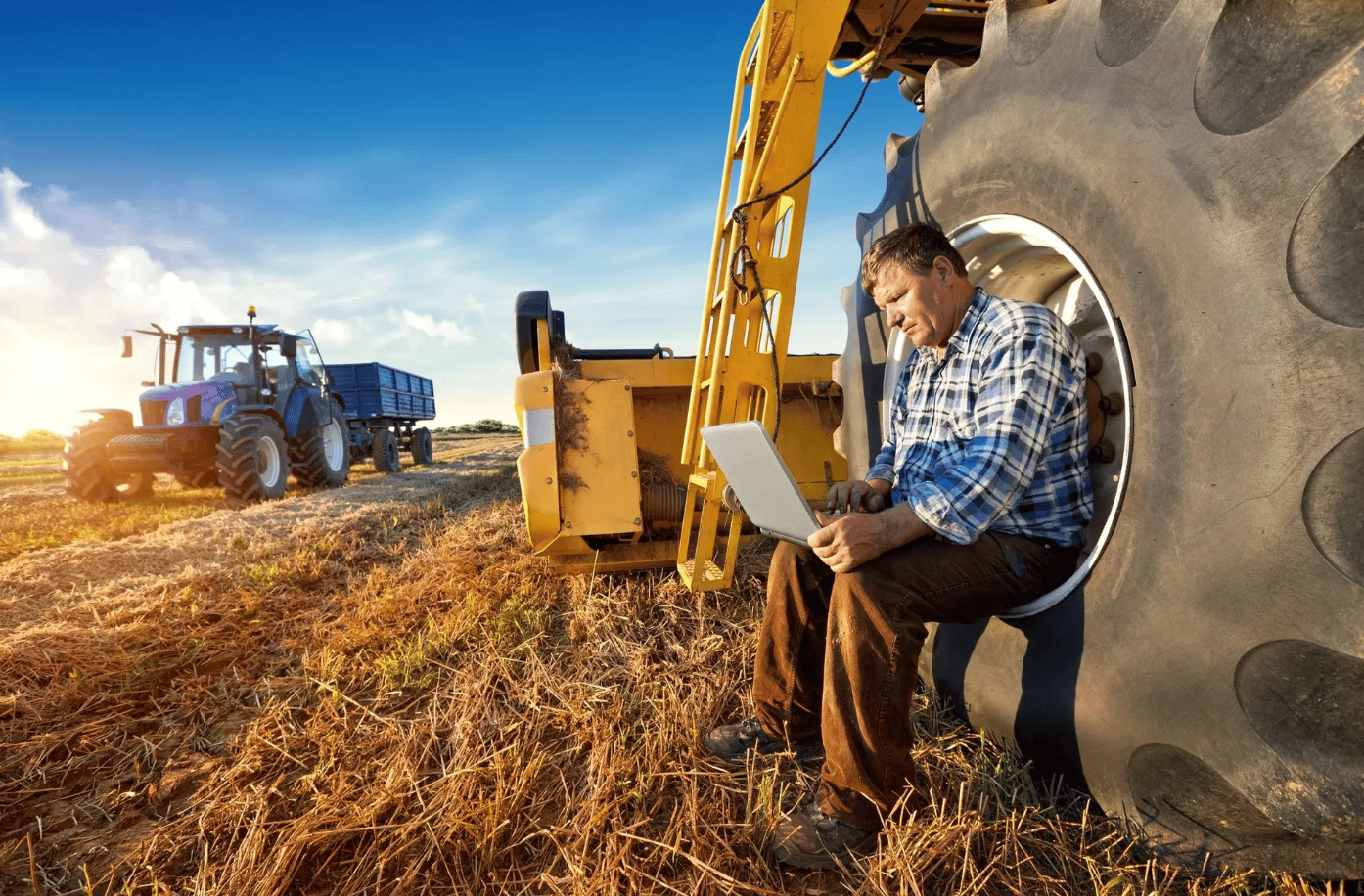
Getty Images
Yields Up, Inputs Down
Field trials show that things are looking good. Gilboa™ controls Septoria in wheat better than other products, and the benefits last for up to 35 days after treatment. This means fewer sprays and less work in the cab.
It's pretty important that more than 70% of the flag leaf area remained green for a longer time. This really helps boost yields by protecting photosynthesis when it matters most. When it comes to cost-efficiency, that extra protection might cut down application rounds by about 20-30% (looking at similar extended-duration actives), which could really help ease the financial burden with those rising input prices. So, what about Labour? For sure—less time on field passes means more time to focus on the rest of the season, instead of constantly filling up the tank.
As ADAMA's Ben Miles puts it, "Gilboa is a game-changer... empowering farmers with more effective, long-term strategies." For Europe's growers, this isn't just another bottle on the shelf—it's a sustainable lifeline that combines innovative science with the hard work of the land. Keep an eye on this; the harvest is about to get a more level playing field.
Digital Pasture
Tending Dreams
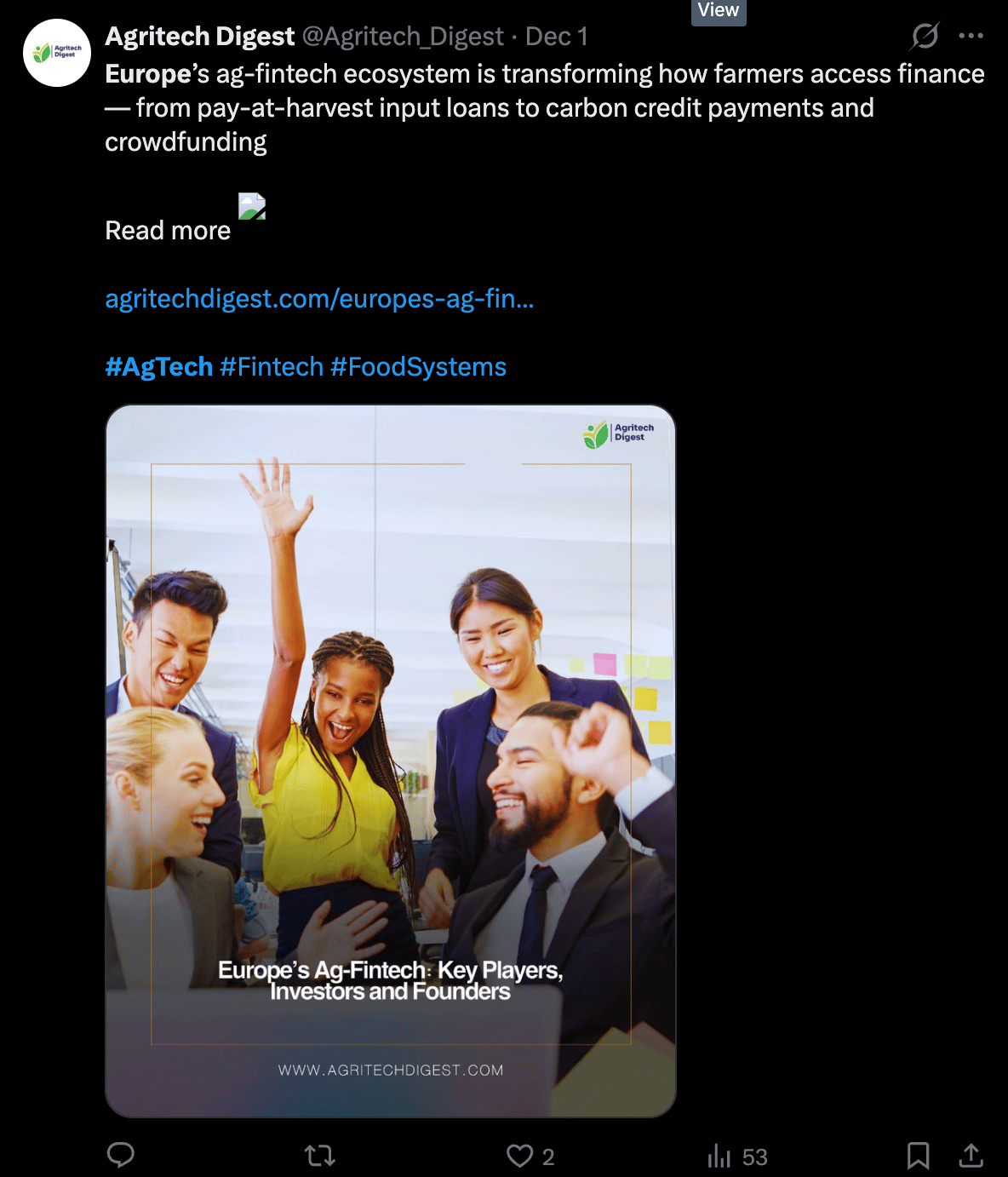
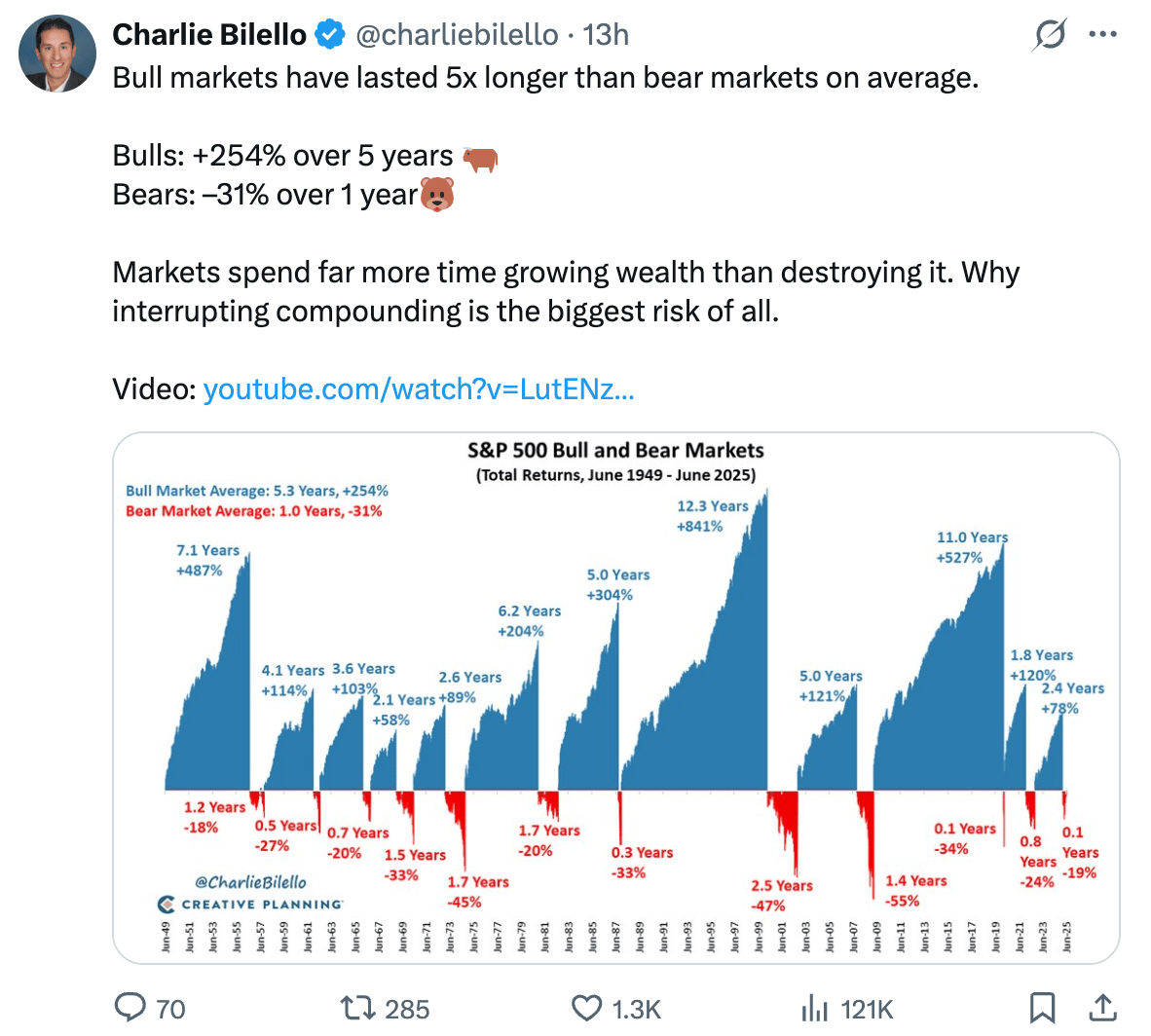
Lessons for AgTech from Monarch’s Fail
Monarch Tractor burst onto the scene with a bold promise: fully electric, autonomous tractors that could replace diesel tractors, reduce labour costs, and create future-proof farms. With a total of 220 million USD raised and another 133 million USD set aside for a funding round in 2024, the goal was crystal clear.
However, the story started to fall apart by the end of 2025. After announcing plans to stop making tractors, Monarch may close down or lay off more than 100 employees. In addition, one of Monarch's early dealers is suing the company, claiming that the company sold "defective" tractors that didn't work as advertised when it came to autonomous driving.
The Risk of Hardware + Autonomy + Hardware Manufacture
Combining heavy-duty farm hardware, electric powertrains, autonomous software, and contract manufacturing is incredibly complex. Monarch’s reliance on a third-party manufacturer (Foxconn) became a vulnerability: when Foxconn sold its Ohio plant, Monarch lost its primary factory.
Pivoting to Software & Licensing — but with Risk
By late 2024, Monarch pivoted. It reduced staff and shifted toward software, data, and autonomy licensing rather than volume tractor sales. But this shift created some uncertainty for customers, and it raised an important question: can farmers really trust a promise that hasn’t been fully delivered when reliability is so crucial?
What AgTech Stakeholders Should Learn
For investors: hardware-heavy AgTech startups carry manufacturing and scale risk. Software / SaaS-based models scale more easily, but rely on credible deployment track record.
For AgTech founders: make incremental roll-outs, prove reliability before promising full autonomy. Controls and after-sales support matter.
For farmers and adopters: new technology must deliver reliability. Early adoption is adventurous — but verify track record carefully.
Success is ensured when ambition and capital are combined, as shown in Monarch Tractor's path. An obvious message for European AgTech: make sure your business strategy is in line with reality.

More Fields & Frontiers
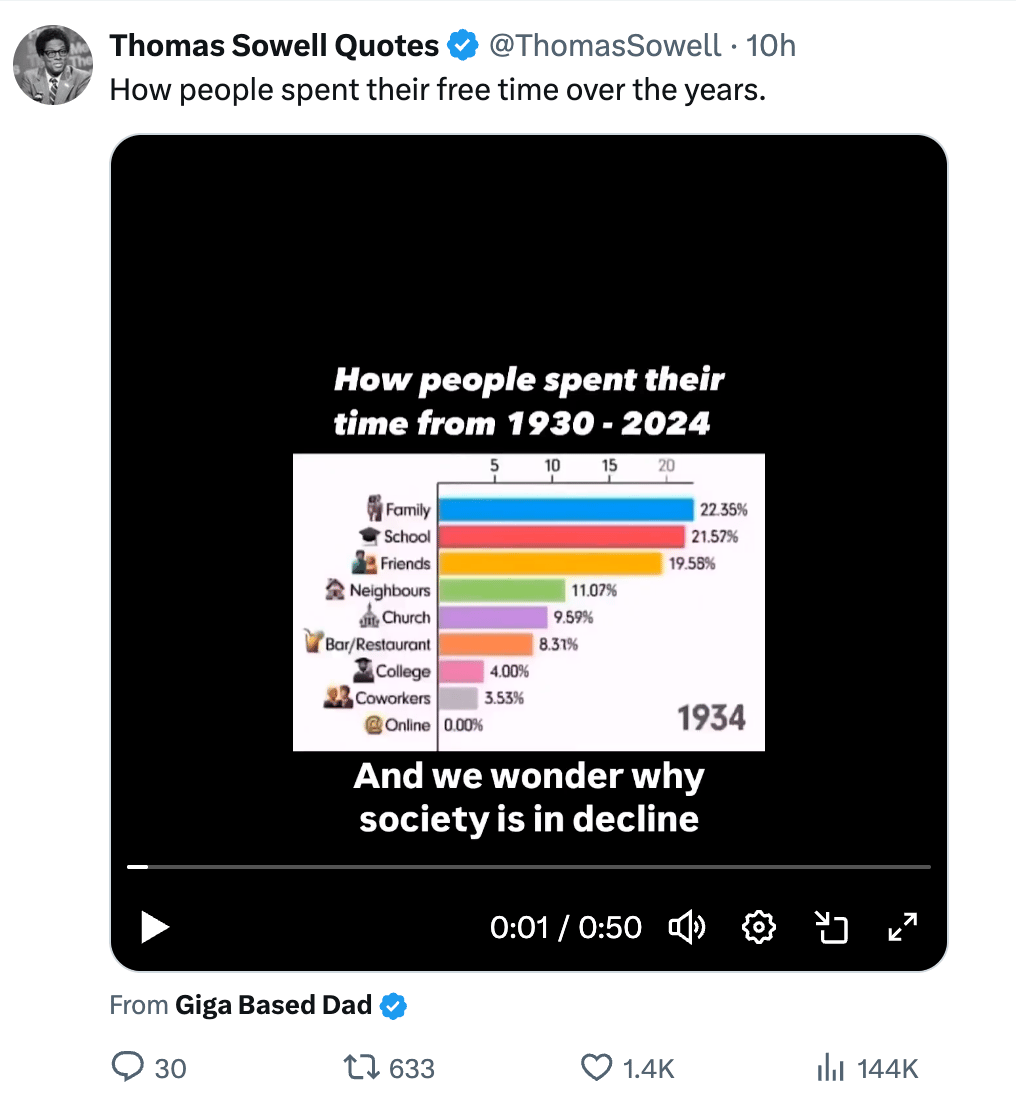
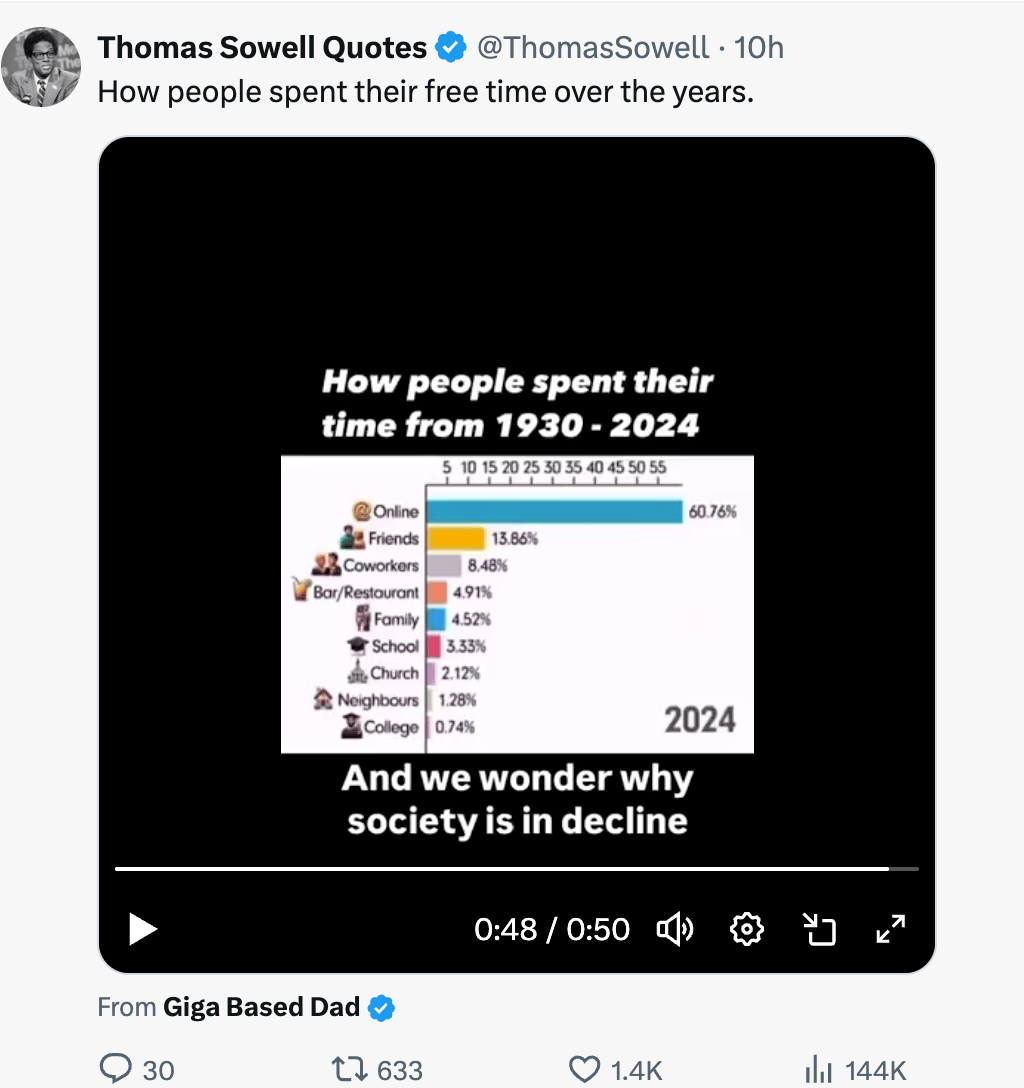
Happy Thanksgiving: A lot of people in America had a wonderful time spent with family and friends during Thanksgiving. But is it fair to assume that family is only by blood? And in the increasingly lonely world, do we meet with our friends? In 2016, a Texas student and a 64-year-old stranger replied with photos of their turkeys. And never stopped talking. Nine holidays later, they’ve shared grief, guidance, and a friendship no algorithm could predict.
A New Common Ground: The OpenAgri Project has teamed up with the AgStack Foundation to launch Pancake. Pancake acts like a backbone, standardising how data and services like weather, irrigation, pest management and analytics interconnect. Farmers can ask plain-English questions to unlock AI insights; developers can deploy tools faster; and everyone dodges the trap of vendor lock-in and endless integration headaches. Finally, a platform that could turn fragmented digital tools into a seamless farm-tech ecosystem. If you’ve wrestled with mismatched software, clunky data flows or custom-built hercules-class integrations, this could be the reset button. Pancake might just become the default operating system for the next generation of smart farms.
When Profit Starts Fixing the Food System: What if an investment fund didn’t just seek returns? What if investment funds actively repaired the food system along the way? Pymwymic, a Dutch impact investor supporting tools like AI-powered freshness scanners, is proving that purpose and profit can coexist. How does a €100m portfolio quietly reshape agriculture from within?
Answer to Brain Teaser
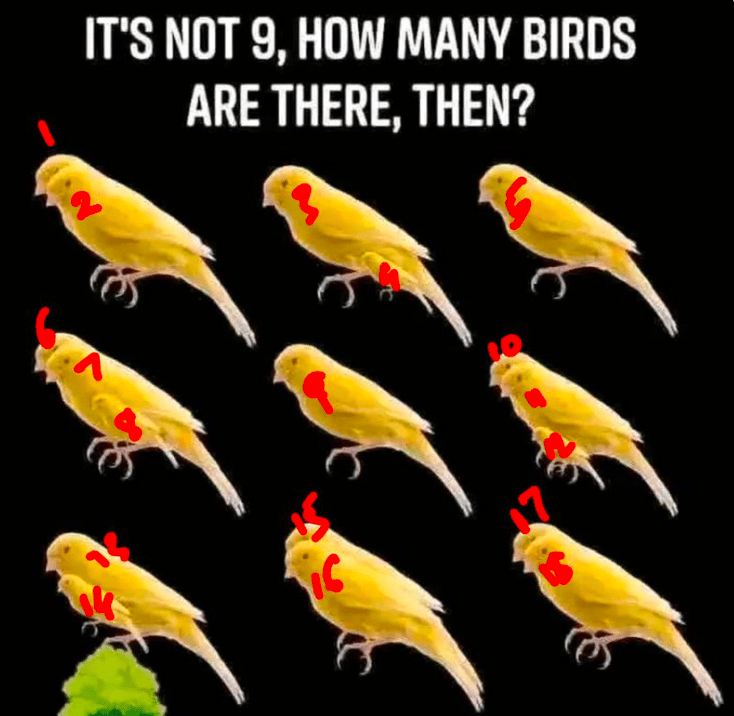
18
Till You Laugh


Disclaimer

Follow
  |   |