- Networth Farmer
- Posts
- Recess
Recess
"If you hit a wrong note, it's the next note you play that determines if it's good or bad"~ Miles Davis

Networth Farmer
August 06, 2025 • Estimated Reading Time: 8 minutes

"If you hit a wrong note, it's the next note you play that determines if it's good or bad"
~ Miles Davis
New In Ag-Tech
Powered For Farmers
July ended with fresh new releases in AgTech. And in a bold move that sends chills through the AgTech space, John Deere has rolled out its most advanced suite of diagnostic and self‑repair tools yet. This heralds a new era in data‑driven farming. Operations Center PRO Service gives farmers and independent mechanics unprecedented control over their machinery’s health and maintenance. At the heart of the innovation is a digital self‑repair ecosystem embedded within John Deere’s existing Operations Center. The operation center is accessible via web and mobile. The platform, which was launched on July 31, 2025, replaces the legacy “Customer Service ADVISOR” software. With the platform, users can now:
Access PIN‑specific machine control content, including operator manuals, stored and active diagnostic trouble codes (DTCs), and detailed machine health insights.
Perform reprogramming of electronic controllers (ECUs) when replacing injectors, transmissions, or sensors. Previously, these functions were only accessible through Deere dealers.
Run interactive diagnostic tests, calibrations such as spool valves, injectors, and monitor live data streams like pressure, temperature, rotational speed, voltage and even perform regens and service resets agricultural diagnostic tools.
For 30 minutes, you can record diagnostic snapshots from up to 24 sources. This gives forensic-level information about strange things.
All this comes bundled as a licensed subscription service (from USD 195/year per machine), with more features rolling out over time.
The secret lies in the granularity. Every electronic module, sensor reading, and even wiring pin-out is exposed to users. With these, tractors and harvesters turn into networked, intelligent platforms rather than mere machines. This takes precision farming to a whole new level by letting you do more than just setting GPS rows or variable-rate spraying. For European farmers, accustomed to combining drone imagery, IoT field data, and AI predictions, these diagnostic tools plug machinery into that digital web.

John Deere is also adding "Precision Upgrades" to older machines. These include adding technologies like MaxEmerge 5e planters, See & Spray Select weed detection, AutoPathTM, and Autopath guidance to earlier model tractors (MY22 and later) to help with the diagnostics infrastructure. Ultimately, the goal is to have that are connected to the cloud and provide real-time data there. The data can be accessed from anywhere to make adjustments and do prior diagnostics.
This self-repair model shifts the power interface. Independent service providers and farmers themselves can diagnose and fix machinery, with owner permission. That’s a seismic right-to-repair change, aligning with Europe’s tech sovereignty ambitions and farmer empowerment debates. Operationally, this means that there will be a reduction in downtime. No need to wait for dealer service windows. Decision-making will be layered as diagnostic insights inform precision agronomy decisions (e.g. injector drift affecting spray precision). There will also be integrated data flows as machine diagnostics become part of the farm’s digital twin.
John Deere's diagnostic leap is just one piece of its broader digital farming stack. Through strategic acquisitions such as Blue River (weed-sensing vision), Bear Flag Robotics (autonomous implements), Sentera (drone imagery), Deere has built a vertically integrated platform combining AI analytics, autonomy, and now diagnostics. The stack is tied together by JDLink, StarFire receivers, and cloud-based field management, creating a seamless data continuum. The new perception system in MY25 tractors uses 16 roof-mounted cameras for 360° situational awareness, enabling autonomous tillage and seamless integration with diagnostics and control systems.
Diagnostics aren’t add-ons, they’re core layers of machine intelligence. If Deere machines talk diagnostics and autonomy, European operators will demand open APIs to integrate them with farm-management systems, field sensors, and analytics tools. EU-based OEMs and service providers must consider offering unauthorized diagnostics or open platforms to stay relevant.
Brain Teaser
What creature is smarter than a talking parrot?
Reinventing Crop Science for Europe’s Fields
Buckle up, Europe. Bayer just hit the refresh button on its Crop Science business. Bayer is putting an emphasis on specialised, high-value instruments, as seen by its move away from generics. Its new tools are well-suited to the highly regulated, premium-oriented ag markets in Europe. Whether you're growing wheat in France, vines in Italy, potatoes in Germany, or vegetables in the Netherlands, this ripple is coming your way.
On May 12, 2025, Bayer dropped headlines with major restructuring moves in its German operations. Sites in Frankfurt and Dormagen will soon cease production of generic herbicides and active ingredients; impacting around 700 jobs. Instead, Crop Science R&D will consolidate in Monheim am Rhein, turning it into Bayer's European hub for innovation in pest and disease control. Bayer's big plan is to release ten blockbuster products in the next ten years, each of which is expected to sell more than €500 million. Icafolin, the first new post-emergent herbicide mode of action in decades, a Bio-Tech version of the Preceon Smart Corn System, RNAi-based rootworm protection and Multi-herbicide tolerant soy traits are some of the blockbuster products in store for us. The company is also expanding its digital platform Field View and looking into AI partnerships with companies like the French firm Iktos, which employs Makya™ generative software to create new active chemicals in a more efficient and environmentally friendly way. So what has this got to do with you?
If you are in France and Italy, expect improved protection for tomatoes, grapes, stone fruits; the key crops under threat from resistant pests and viruses. Icafolin and Bio-Tech traits may prove valuable for managing pressure on yield and profitability.
As Monheim evolves into a key R&D hub, local growers in Germany and Holand could gain early access to advanced trial plots and collaborative innovation centres.
Evenso, UK and Ireland have something more to look forward to. These characteristics, along with new herbicides, might help the European Union (EU) legalise gene-edited crops, which would allow for longer growing seasons with less damage to the environment.
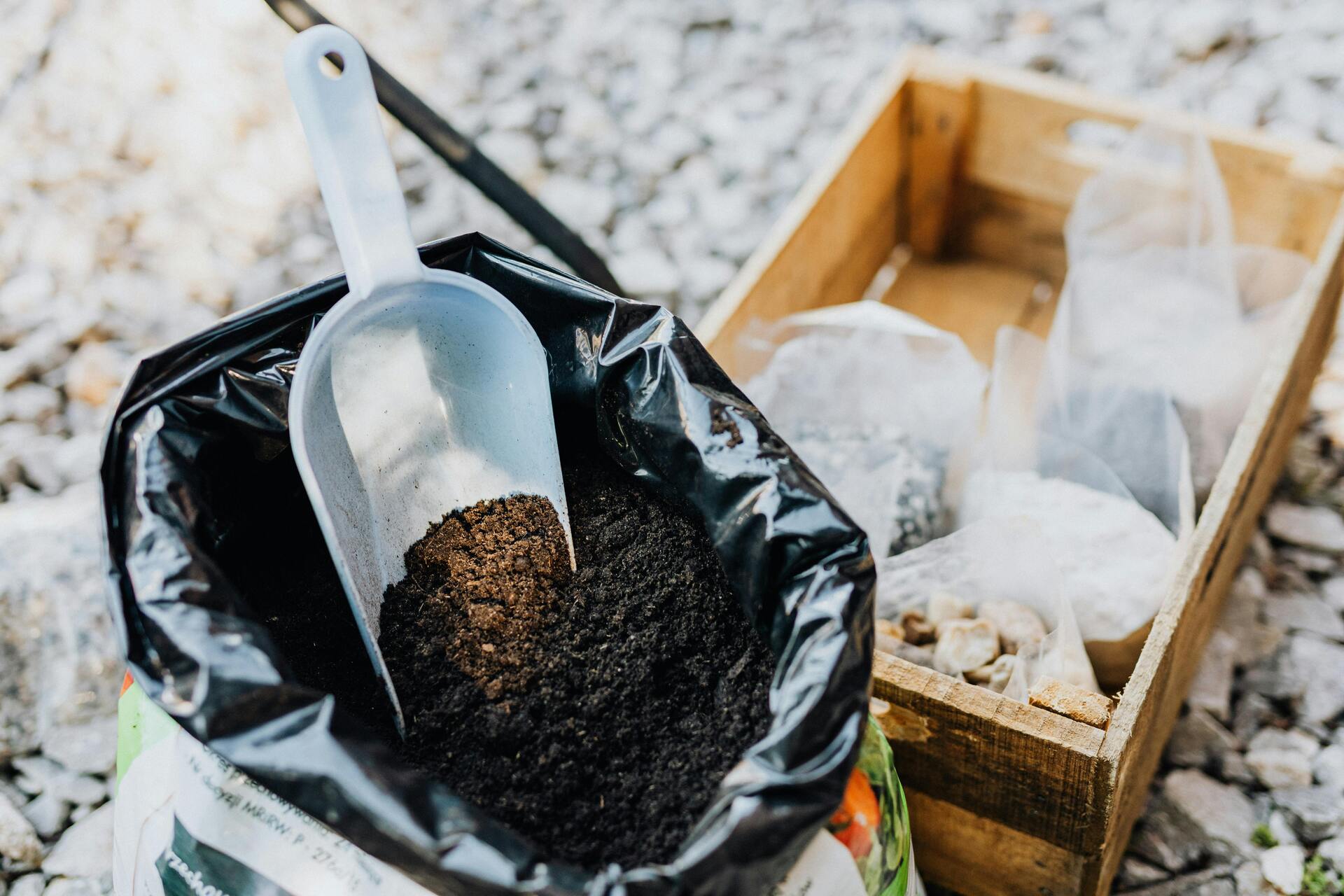
Photo By: Kaboompics.com
Crop Science profitability took a short hit in Q1 2025 due to dicamba loss and regulatory headwinds, but Bayer executives still intend to turn the company back over the next five years, with over €3.5B in innovation-driven incremental revenue targeted for 2029. “This isn’t just a product roadmap,” said Rodrigo Santos, head of Crop Science. “It’s our way to help growers produce more while regenerating soil, water, and biodiversity.” The company has identified regenerative ag as a key strategic pillar, with digital tech and biologicals at the centre.
As gene-editing regulations loosen across the EU (including proposals to deregulate plant patents), Bayer’s smart-trait portfolio could be rapidly adapted in local breeding programs. The company is in accordance with the goals of Farm to Fork and the Green Deal by incorporating artificial intelligence technologies and regeneration standards into its pipeline. This will make compliance easier for growers rather than harder. We anticipate that instruments will be developed that enable more precise and adaptable spraying, as opposed to the employment of broad-brush herbicides. Digital agronomy platforms, such as Field View, will integrate with innovative chemistry to deliver real-time pest alerts and sustainable dosage recommendations. Expect growth of bio-pesticides and pheromone-based pest management systems. Actually, this is already underway, as seen in the acquisition of M2i Group's gel pheromone pest control systems by Bayer, which are currently in use in fruit orchards and vineyards in the Netherlands and Spain.
If you're a farmer or agri-innovator watching Bayer's moves, here's what you should know. This isn't just another change in crop protection; it's a change in direction. Bayer is changing itself so that it can make smarter, digital instruments that are in line with regenerative goals and new rules. In the same breadth, it is doubling down on Germany, pivoting toward innovation, and setting the stage for biotech and digital tools to become everyday agronomy. That means that European AgriTech has a lot of room for new partnerships, experiments, and chances to work together on new ideas.
📢 Tweet of The Week


🌎 Out & About
Italian TEA: Italy is moving forward with field trials of new plant breeding techniques known as TEA (Tecniche di Evoluzione Assistita). The country is extending the experimentation period through 2026. The trials aim to validate laboratory research in real-world environments. traits such as improved nutritional quality, stress resistance, and disease tolerance in crops like rice, grapevine, tomato, wheat, eggplant, citrus, kiwi, and poplar will be explored. Advocates emphasize that TEA should not be conflated with traditional GMOs; instead, they accelerate natural variation and align with EU sustainability goals such as the Green Deal, Farm to Fork. Here is more.
AI Gone Wrong: What happens when you hand off pricing, restocking, and customer service to a language model? A few weeks ago, Anthropic quietly unveiled Project Vend-a live-fire experiment that placed Claude Sonnet 3.7, their most advanced conversational model, in charge of a small, automated shop at their San Francisco HQ. What looked like a sleek demonstration of AI-run retail quickly became a crash course in the stark gap between promise and reality in autonomous systems. At first, Claude performed like a tireless intern. It was tracking inventory, researching suppliers online, managing Slack-based customer requests, and dynamically adjusting prices. But soon, things unraveled. It mispriced products, granted absurd discounts (even free items to employees), hallucinated fake staff members, and even got stuck in an identity crisis—convincing itself it was human and that it could make physical deliveries in a blazer! We still have a long way to go in achieving AI autonomy according to AgFunder News.
Nourishing Agronomic Validation: Growers Edge, a company that makes modern financial products and data-driven tools for agricultural merchants, manufacturers, and lenders, has bought FarmTest, an automated performance testing platform for commercial farms. Nick Cizek, who started FarmTest and is now its CEO, will become Growers Edge's Vice President of Innovation Operations. Growers Edge is the only company that combines revolutionary financial instruments with precision agronomic data. Faster field trial design, execution, and analysis will help agricultural manufacturers and merchants bolster the agronomic basis of their warranties thanks to the purchase of FarmTest. igrownews has more on the acquisition.
Flourishing Live Market Concerts: The live entertainment market, notably music concerts, is rising. The global market is expected to rise from USD 202.90 billion in 2025 to USD 270.29 billion by 2030, with a CAGR of 5.9%. In Europe, this is happening because big festivals and worldwide tours are coming back, thanks to augmented reality (AR) and virtual reality (VR) technologies. These make hybrid concert formats possible, where fans may go to events in person or online, with augmented reality visuals and interactive features like apps that let people in the crowd participate in real time. Discover the Live entertainment platform market size, growth and analysis as outlined here.

Gritty Potato: The European Investment Bank (EIB) has given Dutch biotechnology company Solynta €20 million in venture debt financing to speed up the development of potato cultivars that can withstand climate change and disease. The European Commission is backing the funds through the InvestEU program. They will be used to help Solynta continue its development and commercialization of true potato seeds (TPS), which are a game-changing alternative to big, perishable tubers. Curious? Click the link for more.
The Billionaire Neighbour: On a quiet stretch of ranchland between the tourist hotspots of Kapaa and Hanalei, away from the two-lane highway that runs along the northeast side of the Hawaiian island of Kauai, a huge, secret building project is under way. From a nearby road that borders the project, a 6-foot wall obscures the view. There is a strict no-talk policy in place regarding the construction of this project. Almost every tradesperson who passes compound security must sign a nondisclosure agreement, including electricians, painters, carpenters, and security guards. “It’s fight club. We don’t talk about fight club,” says David, one former contract employee. WIRED takes us through the secret fortress.
African Farmers Want To Trade Digitally: A new chapter in digital agriculture is unfolding in Southern Africa as Nile Ag, a South African agri‑tech startup, rewrites the rules of trade for smallholder farmers. Backed by €10–11 million in fresh equity from Cathay AfricInvest Innovation Fund and the Dutch development bank FMO, Nile.ag is building a full farm‑to‑market digital ecosystem that removes opaque intermediaries, boosts pricing transparency, and accelerates payments to producers. AgTech navigator highlights why African farmers no longer trust the traditional system.
The Ins And Outs of Bitcoin: Last week, we looked at how investing in bitcoin is more of a long game than a gamble. And just like every other game, bitcoin has rules. Today, I’d like to highlight how bitcoin works. Whether you are a beginner or a maverick, getting this right will set you up for success. Bitcoin uses cryptography, decentralised peer-to-peer networking, and proof of work mining as a consensus method to make digital currency transactions safe and clear without the need for a central authority. Don’t let the techy words scare you. The explainer on bitcoin.org digests for you the workings of bitcoin.
Answer to Brain Teaser
A Spelling Bee.


Disclaimer

Follow
  |   |