- Networth Farmer
- Posts
- Rooted
Rooted
"Deep roots are not reached by the frost." ~J.R.R. Tolkien

Networth Farmer
February 27, 2026 • Estimated Reading Time: 7 minutes

"Deep roots are not reached by the frost." ~J.R.R. Tolkien
Table of Contents
Fields & Frontiers
Grodi's €25M Greenhouse Leap: European AgTech pioneers, I got some great news for you. Spanish firm Grodi gets €25M from SwanLaab to automate greenhouses. Their robotic systems take care of planting, scouting, and harvesting in vertical farms. This helps Europe deal with its severe workforce shortages in a climate that is always changing, will help in cutting labour costs by 80% and increasing yields with AI-driven precision! In partnership with 13 investors, Grodi wants to grow on a worldwide scale after tripling its sales in 2025. The result is that greenhouse operators may work around the clock without becoming tired, which is good news for them given the rising costs. Will self-driving bots ultimately make it possible to make money all year round on the whole continent?
X‑Terra- Wheat’s Next Big Jump: Syngenta’s new X-Terra hybrid wheat might be the next big deal for the future of arable farming in Europe. They claim it is made to give you higher, more consistent yields even when things get tough. Plus, it stands strong and makes better use of fertiliser and water. This may be a chance for European growers who are dealing with unpredictable weather, rising input costs, and stricter sustainability regulations. Imagine getting more tonnes per hectare, saying goodbye to lodging issues, and having genetics designed for climate resilience and top-notch milling specs. A lot is happening in AgTech right now including variable-rate nutrition and disease prediction that’s tailored to hybrid performance. Find out more on this on Syngenta.
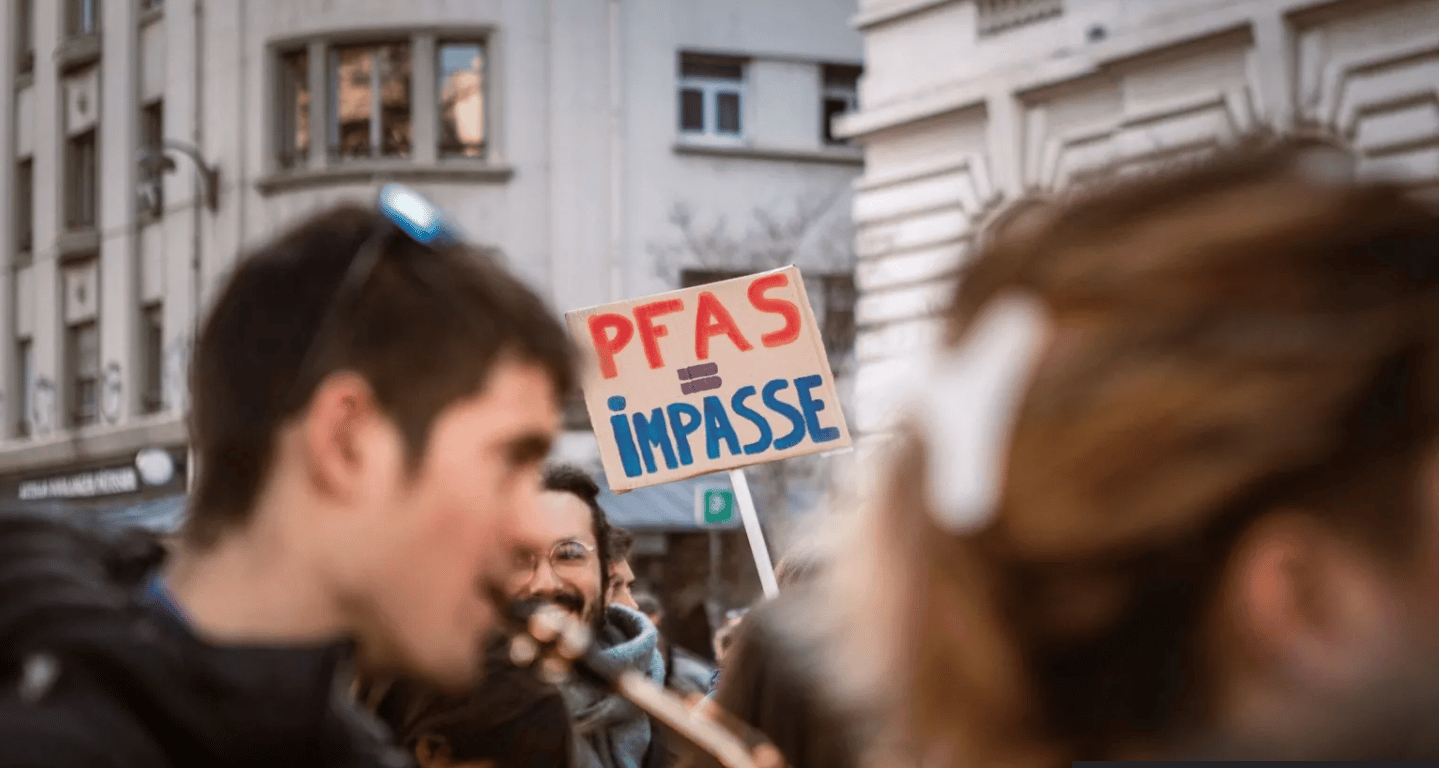
UK Ramps Up Testing for Forever Chemicals: Concerns about the health and environmental impacts of per-and polyfluoroalkyl substances (PFAS) have increased, prompting the United Kingdom to implement a nationwide strategy to increase testing for these 'forever chemicals' in the areas of soil, water, and food chains. These long-lasting contaminants, which can be found in pesticides, sewage sludge, firefighting foams, and packaging, contaminate agricultural land, which could lead to decreased yields and contaminated food. Mirroring EU crackdowns, Defra will track hotspots, advocate for bans, and provide funding for repair. This is a rallying cry for the AgTech industry: put bioremediation bots and sensors to detect PFAS. Could clean soil technology protect European agriculture from harmful, unseen pollutants? The BBC dives deeper into this development.
Unlocking Innovation-The EIC Accelerator’s €400M Boost: The European Innovation Council (EIC) has just announced its latest cohort, awarding over €400 million to 61 high-impact startups, proving that Europe remains a powerhouse for deep-tech ambition. For our AgTech community, this is a massive green light. The EIC Accelerator isn’t just providing grants; it offers a unique "blended finance" model. By combining capital with equity investments of up to €15 million, it is facilitating the scale-up of breakthrough technologies. Autonomous drones, bio-based soil health solutions, you name it; the EIC is actively seeking "high-risk, high-impact" innovations that align with the EU Green Deal. This program is a premier opportunity to secure the patient capital and world-class coaching needed to turn lab-scale prototypes into global market leaders.
Brain Teaser
I can whistle
I can howl
I can scream
And I can whisper
But I do not speak.
What am I?
New In Ag-Tech
The AgBot 5.115: Fearless and Futuristic
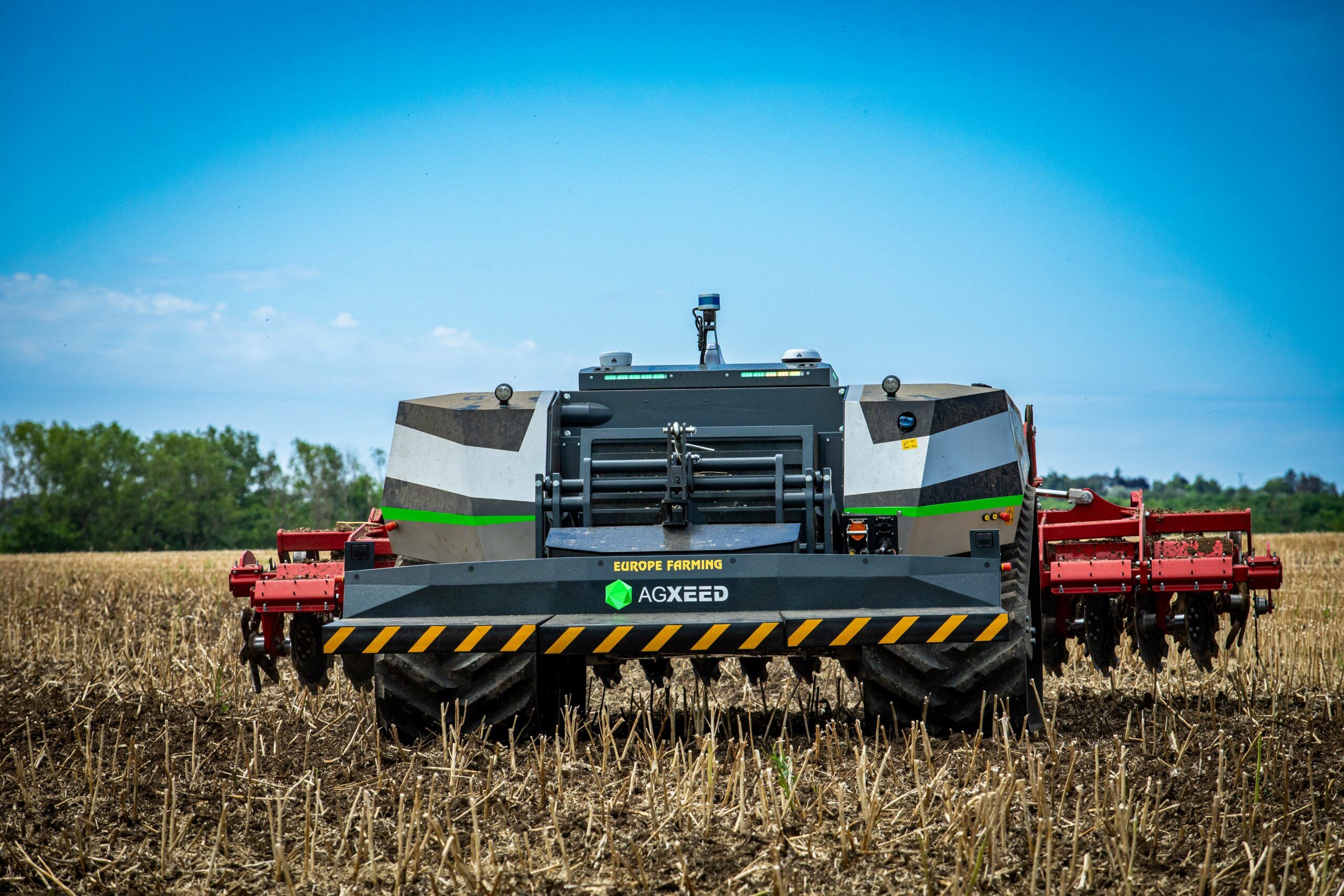
On a quiet arable farm in the Netherlands, the familiar roar of a diesel engine has been replaced by the purposeful hum of the AgBot 5.115. This isn’t a science fiction prop; it is a 156hp autonomous powerhouse developed by AgXeed that is currently redefining what "a day’s work" looks like for European growers
The technology is built around a "sensors-first" philosophy. Eschewing the traditional cab, the AgBot uses a sophisticated suite of LiDAR, ultrasonic sensors, and GPS-RTK to navigate fields with centimetre-level precision. It’s designed to handle heavy-duty implements, from intensive tillage to precision seeding, via a standard 3-point hitch and hydraulic system, making it a "plug-and-play" addition to existing farm infrastructure.
At What Cost?
Of course, the first thing any practical farmer wants to know is, “Will it really pay for itself?” Getting a good return on investment (ROI) isn’t only about slashing a driver’s pay. The real value of the AgBot comes down to its weight and timing. Weighing in at about 8 tonnes, it’s much lighter than your typical 150hp tractor, which really helps cut down on soil compaction, a sneaky culprit that steals yield from Europe’s heavy soils. Plus, it can run around the clock, which helps farmers take advantage of those tight "optimal weather windows" that human tiredness often gets in the way of.
The proof of concept is already in the ground. Recent trials on Dutch arable farms showed that the AgBot was able to keep a steady torque and speed, no matter the terrain. It achieved fuel efficiency that competes with traditional machinery and even created a digital "twin" for every pass it made. When you integrate smoothly with the current Farm Management Information Systems (FMIS), every hectare becomes a valuable data set.
The AgBot 5.115 is changing the game for European growers who are facing a smaller labour force and stricter environmental rules. It’s all about moving from just operating machines to managing a whole fleet, getting the most out of the land without wearing out the farmer.
Digital Pasture
More Fields & Frontiers
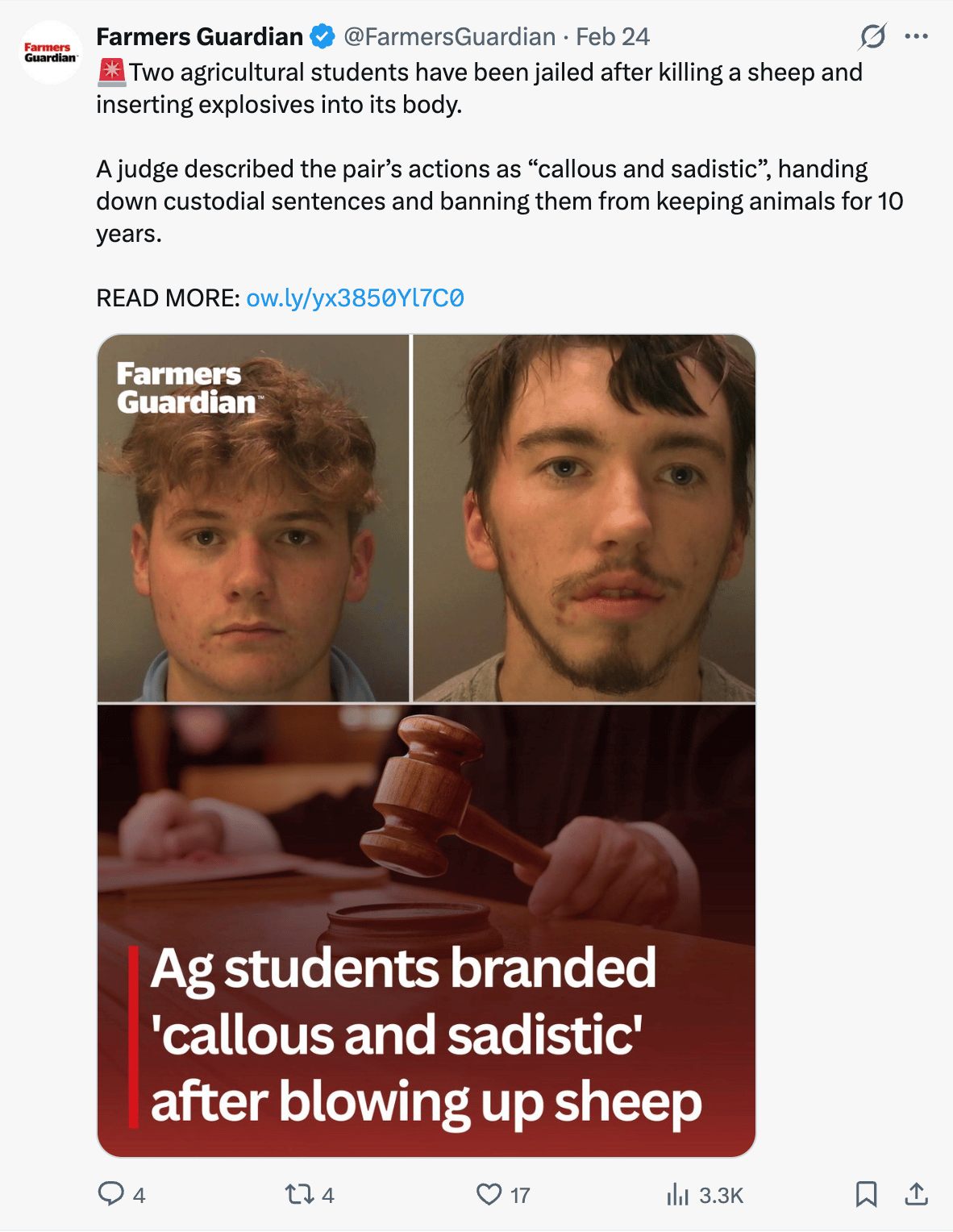
The Strange Interviewer: A synthetic voice that engages in two-way conversations and provides feedback to recruiting managers is the new reality dawning on job seekers. AI Interviews are becoming more prevalent with proponents emphasizing the technology's ability to boost company efficiency and job seekers' flexibility. The deployment has not been without faults, such as repeated words or misconstrued responses. Startups like Apriora, HeyMilo AI, and Ribbon claim rapid growth and indicate that AI is already being employed beyond the screening step. Read more on this on Bloomberg.
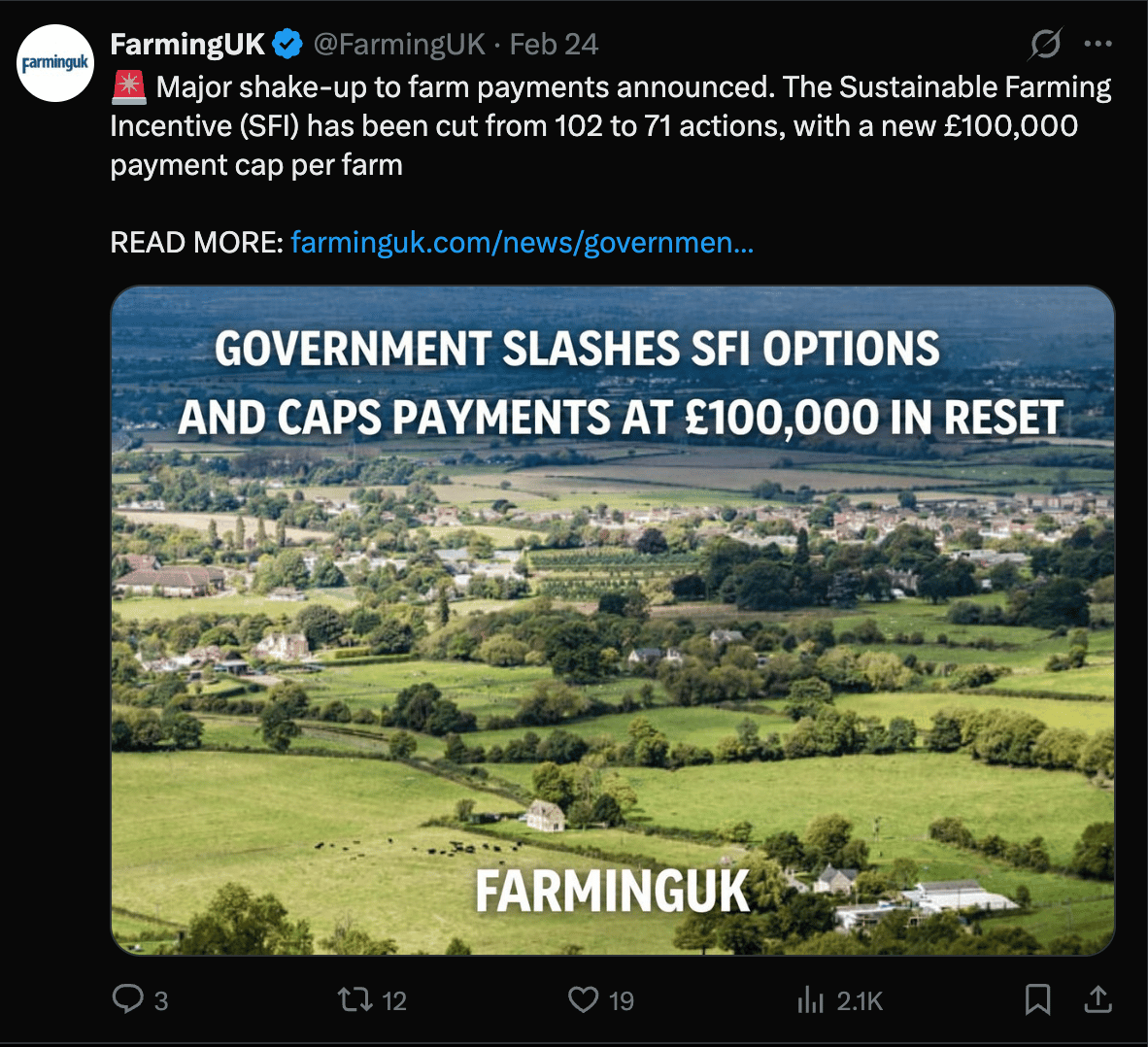
Not So Fast, Big Boy: The biggest hurdle for Canada’s 2026 bid to feed Asia’s growing middle class isn’t about production; it’s all the regulatory red tape getting in the way. Even though trade deals like the CPTPP and the upcoming Indonesia CEPA in September 2025 have cut tariffs, exporters are still caught up in non-tariff barriers. These include different sanitary standards, complicated halal certifications, and outdated infrastructure. This situation in Canada is quite similar to the paradox we see with the European Union’s Common Agricultural Policy (CAP). Just like Canada, the EU is dealing with a bit of a "regulatory divergence" crisis. Europe's "Green Deal" and "Farm to Fork" initiatives set some of the toughest sustainability and animal welfare standards in the world. Even though these measures help safeguard the "European Brand," they also lead to higher costs, which could make EU exports less competitive in price-sensitive Asian markets when compared to rivals with fewer regulations. The 2026 lesson is clear: trade deals open the door, but regulatory alignment determines who gets to stay in the room. Read more on France 24.
Allergic to The World: In the midst of a crowd, Countless souls endure, A dance with unseen foes, where scents and chemicals lure. People have long complained that man-made substances in their surroundings cause health problems such as migraines, asthma, tiredness, and mood swings, but the medical community has mostly rejected these claims. The American Medical Association, World Health Organisation, and American Academy of Asthma, Allergy, and Immunology do not recognise chemical sensitivity as a diagnosis. Why, these experts pondered, might people react to minute amounts of a wide range of chemicals? And why didn't they ever seem to improve? WIRED featured a story of one scientist, Claudia Miller, who has been struggling for decades to understand why, motivated by her own allergies.
Brazil’s High-Stakes Agricultural Pivot: As the global spotlight intensifies on supply chain transparency, Brazil is shifting its strategy from reactive policing to proactive preservation. By 2026, the nation has significantly ramped up investments in firefighting infrastructure and targeted support for the agricultural sector to curb Amazonian deforestation. This isn't just environmental protection; it’s a strategic economic safeguard. With the EU’s Deforestation Regulation (EUDR) now in full force, Brazilian producers must prove their goods are "fire-free" to maintain lucrative European market access. By integrating advanced AgTech monitoring with localized firefighting brigades, Brazil aims to transform its image from a climate risk to a sustainable powerhouse. For global investors, the message is clear: in the modern agricultural arena, ecological resilience is the ultimate currency for trade.
A Thought for Friday
The Stone Cutter
An Ancient Story About Power, Envy, and What Actually Matters
A stone cutter spent his days chipping away at rock, dissatisfied with his simple work and modest position. One afternoon, he passed a wealthy merchant's estate, gates flung open, revealing fine possessions and important visitors flowing through.
"How powerful that merchant must be," he thought, consumed by envy. "I wish I could be him." Suddenly, he was. Luxuries beyond imagination. Influence. Respect. But also the contempt of those with less, whose envy burned as hot as his once did.
The Endless Chase
Then a high official passed in an embroidered sedan chair, soldiers beating gongs, forcing even wealthy merchants to bow low. "That official, now that's real power." He became the official, feared and hated, carried everywhere whilst the summer heat made him miserable in his sticky chair. He looked up. The sun blazed, utterly indifferent to his presence. "The sun, unstoppable power!" He became the sun, scorching fields, cursed by farmers whose crops withered. Until a massive storm cloud blocked his light entirely.
"The cloud controls everything!" He became the cloud, flooding villages, drowning fields, despised by all. Until the wind pushed him aside effortlessly. "The wind! Now that's true force!" He became the wind, ripping tiles from roofs, uprooting ancient trees, feared by everyone. Until he slammed against something immovable, a towering rock that wouldn't budge regardless of how fiercely he blew.
"The rock, more powerful than anything on earth!" He became the rock, indestructible and eternal.
The Hammer Falls
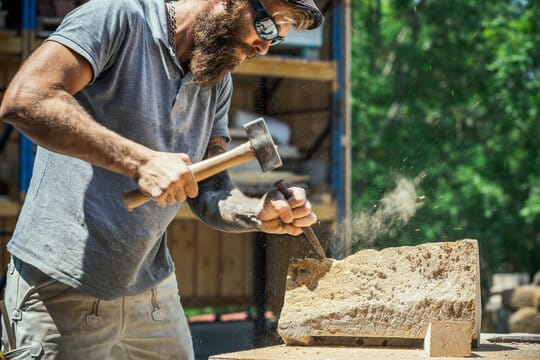
Then he heard it. A rhythmic pounding. A chisel biting into his hard surface, changing him bit by bit. "What could possibly be more powerful than me?" He looked down and saw, far below, the figure of a stone cutter.
What the Story Asks You
How many of us in AgTech are chasing the wrong power? Envying the competitor's funding round whilst neglecting the steady work that compounds. Coveting the rival's market position whilst our own foundation cracks. Wanting the glamorous partnerships, the conference spotlight, and the industry recognition; all whilst forgetting the craft that actually creates value.
The merchant had wealth but not peace. The official had authority but not freedom. The sun had reached but couldn't penetrate clouds. The storm had force but was pushed by wind. The wind had power but broke against rock. The rock had permanence but was shaped by a chisel.
And the stone cutter? He had agency.
The power to shape, to build, to transform raw material into something useful through patient, skilled work. Not envied by many. Not feared by crowds. Just capable of changing the world one deliberate strike at a time.
In European agriculture right now, it's easy to envy. The operation with cheaper energy costs. The farm has better soil. The startup with venture backing. The competitor with easier market access.
But envy blinds you to the power you already have: the ability to do the work in front of you with excellence.
Story adapted from Anthony de Mello's teaching tale.
Answer to Brain Teaser
The Wind.
Till You Laugh

Disclaimer

Follow
  |   |