- Networth Farmer
- Posts
- The Farmer's New Silent Partner
The Farmer's New Silent Partner
“Be as useful as a tree! Give life to others; be shelter to everyone; grant fruits to all! Be good like a tree!” ~Mehmet Murat Ildan

Networth Farmer
December 19, 2025 • Estimated Reading Time: 14 minutes

“Be as useful as a tree! Give life to others; be shelter to everyone; grant fruits to all! Be good like a tree!”
~ Mehmet Murat Ildan
Table of Contents
Fields & Frontiers
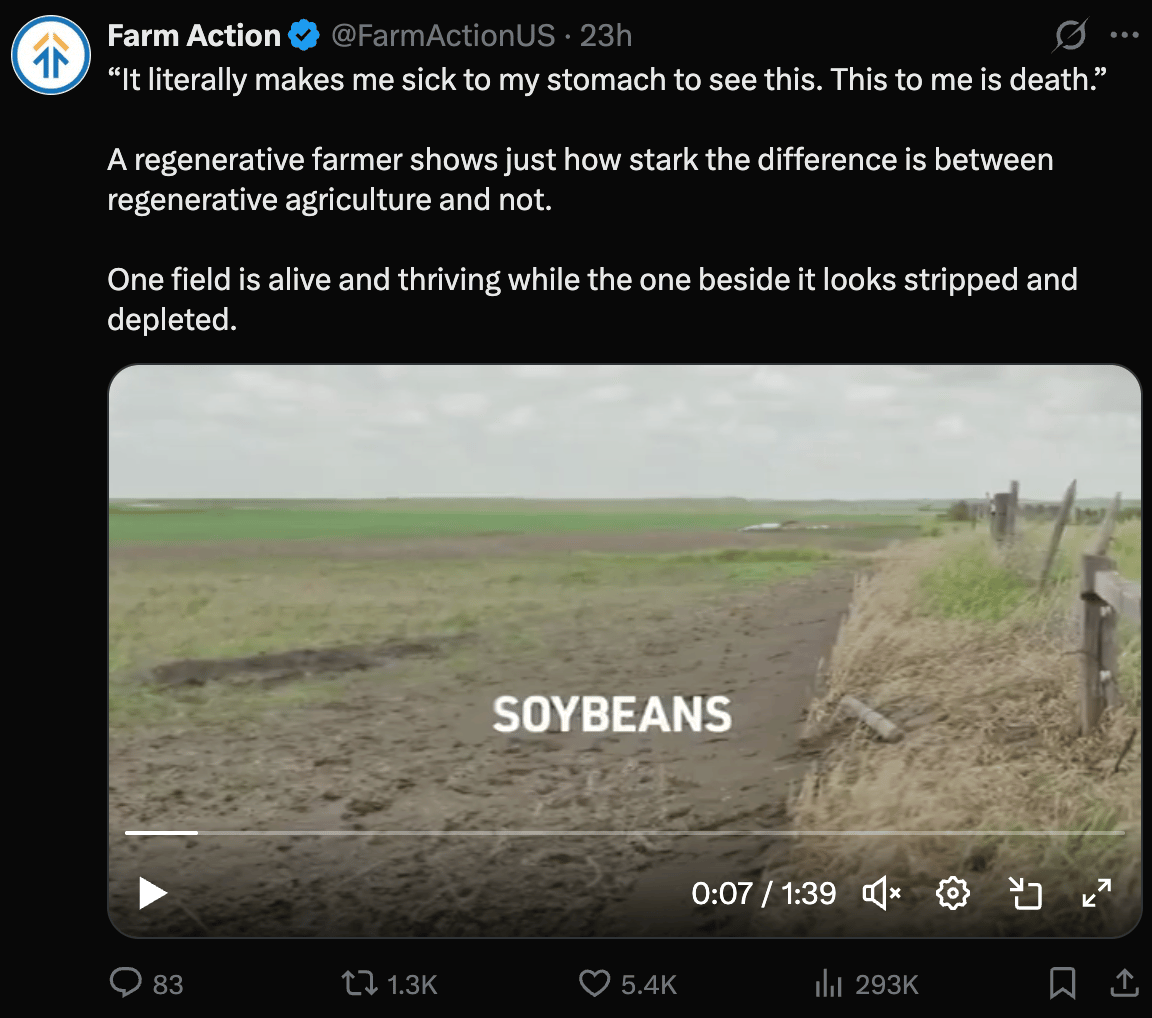
Lloyds Backs Regen Shift: Lloyds Bank has rolled out its Agricultural Transition Finance loan, kicking off at £25,001, to support UK farmers who are making the shift to regenerative practices in every sector. They're providing fee waivers, flexible drawdowns, and even up to five years of interest-only payments. Plus, they have streamlined progress checks for 16 regenerative activities, such as cover cropping and reduced tillage. This approach helps address those early cash flow challenges that can come from machinery costs or yield dips. Farmers can more easily get the funding they need for resilient, soil-enhancing systems, especially with all the changes they face with subsidies and input costs. AgTech investors and founders also stand to benefit from the increasing demand for advisory tools, digital monitoring, and certification services as more people start to adopt them. This seems to be a win-win situation as everyone stands to gain from bringing Regen Finance into the mainstream. Check out the details on the policy and the opportunities available.
Biochar’s Dual Dividend: Peer-reviewed trials from the World Vegetable Center now provide empirical validation for a soil amendment long-promoted on theoretical grounds. Applied to okra cultivation, biochar (a stable carbon form derived from biomass) demonstrated a significant dual benefit: a measurable increase in crop yield concurrent with a tangible reduction in the system’s overall carbon footprint. This research moves the conversation beyond anecdotal evidence, quantifying the agronomic and environmental return on investment for a circular input. It presents a compelling, science-backed pathway for producers to enhance productivity while contributing to climate mitigation. Could this integrated model represent a viable template for sustainable intensification across other high-value vegetable systems?
A European Pork Industry Alert: An African Swine Flu (ASF) epidemic in Catalonia has caused an immediate economic shock to Europe's pork industry. Authorities in Spain, Europe's largest hog producer, are probing five laboratories within a 20-kilometer radius of the recent ASF outbreak in Catalonia. The investigation was launched when genetic analysis revealed that the identified virus strain was "very similar" to one widely employed in diagnostic tests. This study emphasises the importance of biosecurity policies beyond the farm gate, namely within research and diagnostic facilities. With a third of Spain's import markets withholding shipments, the economic consequences are swift and severe. This unexpected pause damages a crucial revenue stream and causes immediate market anxiety across the continent. Is this incident exposing a critical vulnerability in the scientific infrastructure supposed to defend an industry founded on tight health controls?
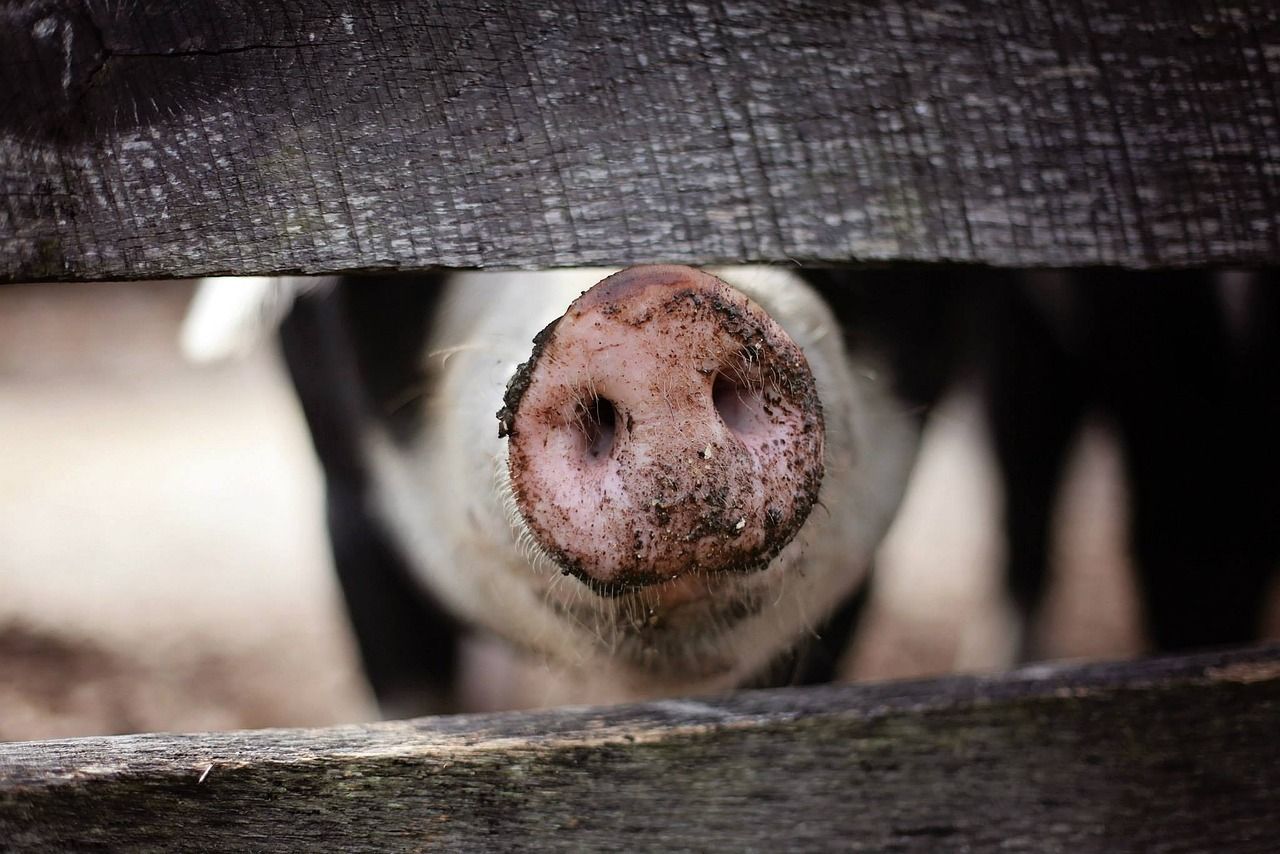
Image by Pexels
Meat Prices Soar: Meat prices in Dutch supermarkets have really shot up. Beef has jumped by 32% in January 2025 compared to last year, and by October, it’s up a whopping 52%. Poultry and pork aren’t far behind either, with increases of 16% and 17%, respectively. Sales volumes took a nosedive—beef dropped by a quarter, chicken went down by 7%, and pork fell by 12%. Shoppers are leaning towards smaller packs, and with nitrogen reduction policies cutting down livestock numbers, we're seeing some supply shortages. Supermarkets are taking on some costs, which tightens their margins, but demand remains steady, pushing the shift towards alternative proteins even faster. It looks like a meat tax might be on the horizon as policymakers are taking a closer look at these changes. Do you think carnivores like egg-guzzling Simon will start to become rare? Let's dive deeper into how policies are affecting things and what trends we're seeing with consumers.
Brain Teaser
A farmer has 3 horses, 2 ducks, and 1 pig. How many feet are on his farm?
New In Ag-Tech
The Fungus That’s Teaching Robots to Feel
Our robots are brilliant, yet blind. They map a warehouse with lidar, spot a weld flaw with a camera, but ask one to gently judge the ripeness of a strawberry or sniff out a mould spore in a grain silo? They falter. This gap in perception, the nuanced, chemical, and tactile language of the living world, is the next frontier. And surprisingly, the key to crossing it may not be a sharper microchip, but a mushroom.
Moving Beyond Silicon and Plastic
The problem is that even the most sophisticated sensors we have aren't at par with biology. We have a hard time simulating the discriminating power of a nose or the sensitivity of skin. Here we have mycelium, which is not a passive substance but rather a substrate that is alive. According to ground-breaking studies like those out of the Unconventional Computing Laboratory, the mycelial network functions like a massive, autonomous bio-electrical circuit. In response to environmental factors like light, pressure, and chemicals, it relays and processes messages. A biological sensor and processor all in one, that's what it is.
The Cyborg Orchid: Skin, Nose, and Brain
Scientists are now exploring this by integrating mycelium directly into robotic systems. Imagine a robotic gripper, its surface a living mycelial 'skin.' This innovative design enables the gripper to feel grip pressure and texture, a capability that allows it to handle delicate fruits and vegetables without causing damage. Imagine a drone, for instance, outfitted with a mycelial 'nose'. This chip, essentially, would allow the fungus to respond to particular volatile molecules. The result? Early detection of blight in a field or spoiling in stored crops, well before we could spot the problem ourselves.
The Rise of Organic Intelligence
This is more than a new sensor; it’s a paradigm shift toward organic computing. We are not just building smarter machines; we're actually bringing biological intelligence into the mix. We’re teaming up with a network that’s been around for a billion years, evolving to sense and adapt to its surroundings. It's a shift from rigid, programmed thinking to flexible, developed intelligence.
The Farmer’s New Silent Partner
This is a big deal for European AgTech. This isn't some far-off future. Imagine a future where super-sensitive harvesting robots navigate orchards by touch, or autonomous sentinels roam the fields, checking on plant health by ‘smelling’ the air. Sounds pretty cool, right? It hints at a future of precision agriculture that's so close it feels almost personal, where our technology doesn't just watch the natural world—it actually becomes part of the dialogue.
Digital Pasture
More Fields & Frontiers
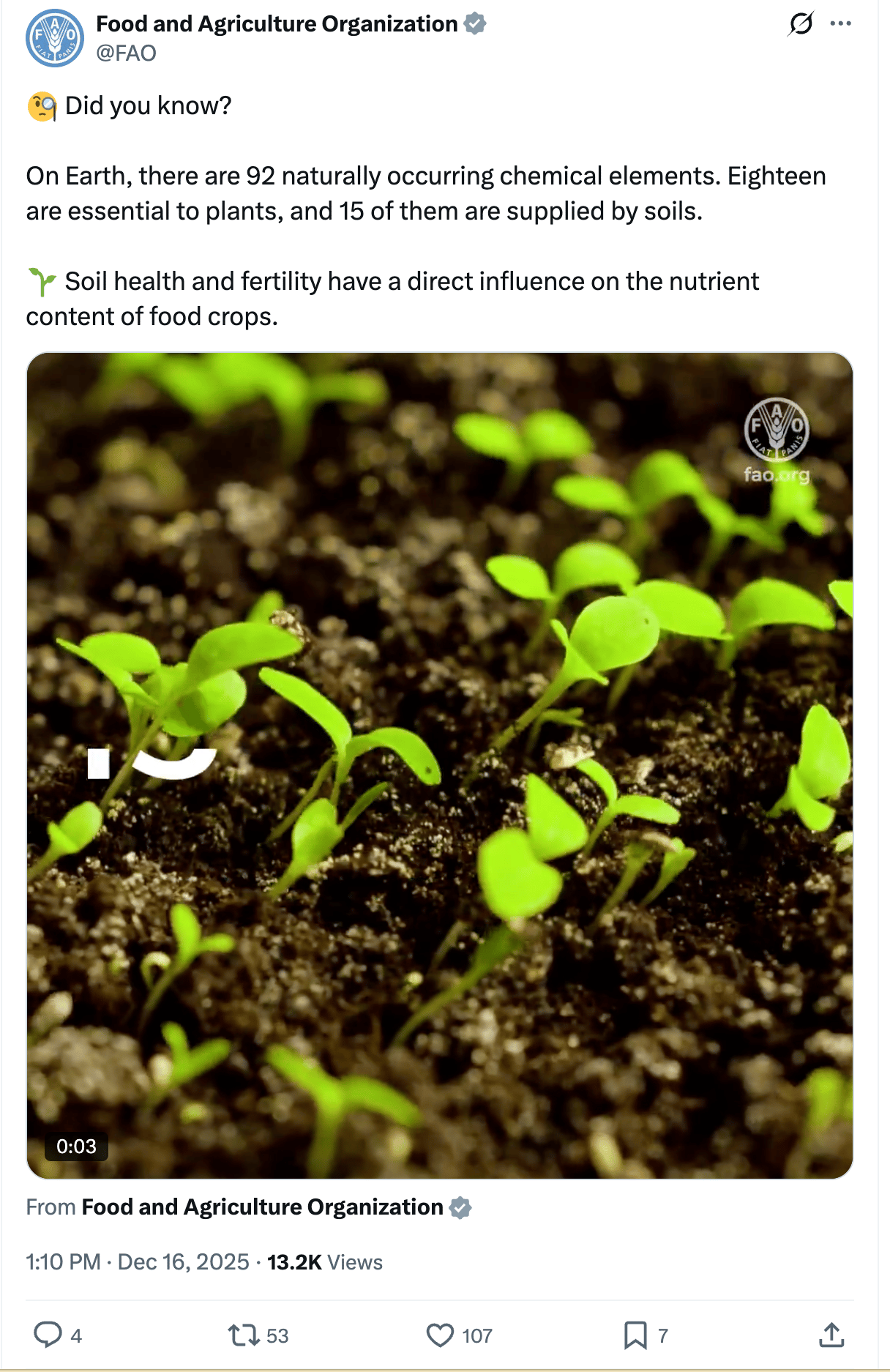
Soil's Silent Ledger: Syngenta's Soil Health Day webinar on 5th December quantified a silent loss, moving the conversation from stewardship to the stark economics of land management. The focus was on translating long-term soil health benefits into immediate, tangible economic value for growers. This reframes regeneration not as a cost, but as a vital investment in a farm's productive capital and long-term resilience. When the true price of neglect is laid bare, does it shift the calculus for every business decision made in your field?
Beyond the Data Deluge in AgTech: In an era of rapid digital transformation, the AgTech sector often finds itself overwhelmed by a ‘data deluge’. We are gathering more information than ever before, yet are we truly gaining insight? Aidan Connolly’s latest thought-piece, Can’t See the Forest for the Trees, explores the critical disconnect between possessing sophisticated technology and achieving meaningful agricultural outcomes. Connolly challenges innovators to look beyond individual gadgets and granular datasets to understand the broader ecosystem. Are we solving the right problems, or simply getting lost in the digital undergrowth? For anyone passionate about the future of food production, this is an essential call to prioritise strategy over mere synchronicity. Read on LinkedIn to discover how to sharpen your vision.
Sowing the Seeds of Tomorrow: The European Commission is kicking off an exciting new chapter for the continent's Agri-Food sector with a fresh, €1.5 billion partnership that’s co-funded with industry. This main initiative, part of Horizon Europe, aims to speed up the direct market launch of impactful innovations. This is a crucial moment for AgTech entrepreneurs and researchers. We're excited to share that this partnership will support collaborative projects throughout the whole value chain, focussing on sustainable and competitive solutions that are ready to scale up. We're really focussing on turning R&D into something that can make a real difference in both business and the environment. Hey, is your venture in line with Europe’s big push to take the lead in smart and resilient food systems? Hey, guess what? The chance to shape that future is now officially here!
Will Oracle’s Stock Story Unfold?: The WSJ piece digs into the “squishy number” behind Oracle’s rise and fall, revealing how intangible factors, investor sentiment, and cloud strategy shape share performance. It challenges readers to consider whether revenue momentum, margins, and guidance align with market expectations in a volatile tech landscape. As Oracle navigates competitive pressures and macro headwinds, the article hints at episodes where optimism met reality, and invites readers to examine the metrics driving verdicts on value. Curious readers will find a nuanced, data-driven look at Oracle’s recent trajectory and prospects. The Wall Street Journal has more.
A Thought for Friday
Ending the Year Strong
December's here, and your inbox is screaming. Equipment needs attention. End-of-year paperwork is mounting. Everyone wants decisions now. Sound familiar?
Here's something worth knowing: before Dwight Eisenhower became US President, he was a five-star general coordinating the invasions of Germany, France, and North Africa during World War II. He later ran NATO, led Columbia University, and somehow still found time for oil painting and golf. The bloke came from poverty in Kansas and became one of history's most effective leaders.
The Eisenhower Method for Agriculture
Eisenhower said: "I have two kinds of problems, the urgent and the important. The urgent is seldom important, and the important is seldom urgent."
Think about your last week. How much time went to things that felt urgent—emails, phone calls, minor crises—versus things that actually move your operation forward? Soil health planning. Market strategy for 2026. Relationship-building with buyers. Technology investments that improve efficiency.
Take 30 minutes this weekend and sort your tasks into four quadrants:
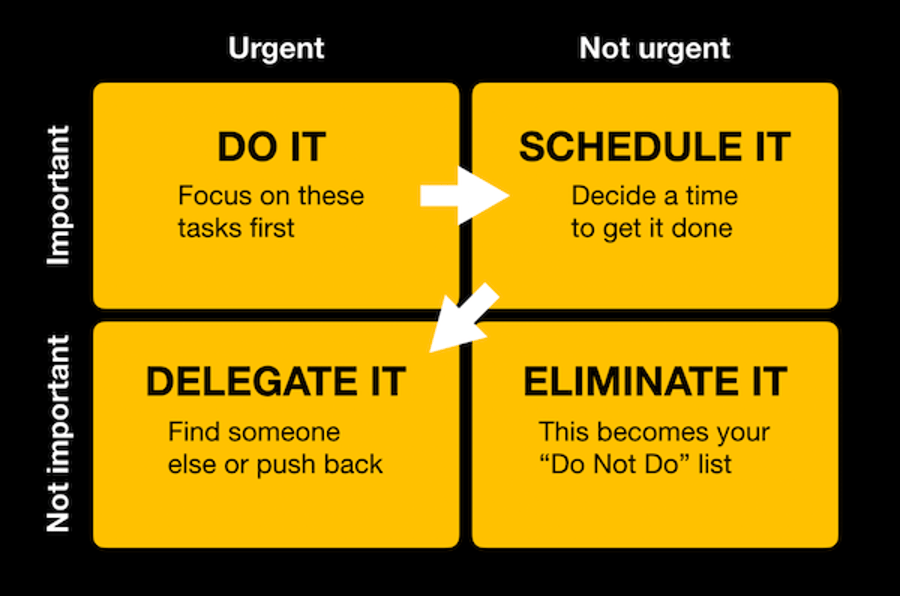
Quadrant 2 determines your 2026 success, but it's what gets ignored when December madness hits.
This Week's Challenge:
Block two hours next week, actually put it in your calendar, for one Quadrant 2 task that will genuinely impact next year. Not the urgent stuff screaming for attention. The important stuff that builds something sustainable. Eisenhower ran wars and nations by knowing the difference. Your operation deserves the same clarity.
What's your most important, non-urgent task for 2026?
Answer to Brain Teaser
Two
(the farmer's feet, as horses have hooves, and ducks have webbed feet, not "feet" in the human sense).
Till You Laugh


Disclaimer

Follow
  |   |