- Networth Farmer
- Posts
- The Wired Farm
The Wired Farm
Technology is best when it brings people together. ~ Matt Mullenweg

Networth Farmer
November 05, 2025 • Estimated Reading Time: 10 minutes

“Technology is best when it brings people together”.
~ Matt Mullenweg
Table of Contents
New In Ag-Tech
How Rauch's SpotSpreading Stops Wasting Half Your Nutrients
The £20,000 Question You're Asking Wrong
Let me take you to your orchard on a typical spring morning. As you cruise along the rows of apple trees, you're spreading fertiliser just like you always do; nice and even across the whole field. But let’s be real for a second: half of that fertiliser is sitting on bare soil between the trees, where it either ends up washing into waterways or just evaporates away. You just dropped £20,000 on feeding the soil instead of your plants.
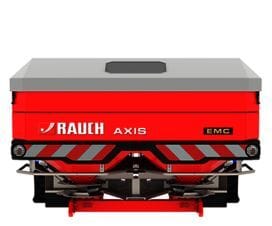
So, the German machinery manufacturer Rauch posed an interesting question: what if the spreader only opened up when it actually detected a tree?
How It Actually Works (Without the Jargon)
SpotSpreading uses ultrasonic sensors, which are similar to the technology found in your car's parking sensors. These sensors look ahead while you drive, picking up the precise location of every tree. When the system detects a tree coming up, it figures out the root area and automatically opens the dosing slides on your twin-disc spreader to let out fertiliser exactly where the roots can soak it up. Are we just going to drive by that empty space? The slides are closing now. No fertiliser goes to waste.
What's really smart here is that it's adjusting the application rate to match how fast you're driving. No matter if you're moving at 5 km/h or 8 km/h, the system is always on it, adjusting the slide times to make sure each tree gets just the right amount. You just drive like you usually do, and the machine takes care of the thinking for you.
The system connects easily using Isobus control, so it just plugs right into your current tractor systems without needing any special controllers or tricky setups. If your tractor understands Isobus—and let’s be honest, most modern European tractors do—then SpotSpreading is right there with it, speaking the same language.
What This Means
It sounds like you get that using fertiliser everywhere isn’t the best approach, but you’re curious if sensor-based precision is actually practical for orchards in the real world. That's a good question. Let me share what’s important:
Rauch claims you can save at least 44% on fertiliser when driving at a speed of 5 km/h. That's not just a small change—it's a game changer. So, if you have a typical 30-hectare orchard and you're using 200 kg/ha of NPK at £500 per tonne, that means you're shelling out about £3,000 each year on fertiliser. SpotSpreading brings that down to £1,680, which means you're saving £1,320 each year. The system pretty much covers its costs in about 3 to 4 seasons, and it could even be quicker if fertiliser prices go up again.
Cost savings are just part of the picture. Hey, so the EU Nitrates Directive regulations are getting a bit stricter all over Europe. A bunch of member states are stepping up with even tougher nutrient management rules. Precision application isn't just about saving money—it's also becoming a key part of following regulations. Farmers using spot-specific technology today are getting a jump on upcoming regulations that will likely phase out blanket spreaders from orchards in the next ten years.
This technology takes away the guesswork. While you could theoretically do manual calibration for tree-specific applications, keeping it consistent across different driving speeds and changing conditions is really tough in practice. SpotSpreading takes care of things that are just impossible to do by hand, no matter your level of experience or skill.
If you're a farmer feeling a bit unsure about all the complexities, here's something to think about: this system actually simplifies your operation instead of complicating it. You don't have to calculate application rates anymore, adjust spreader settings while you're out in the field, or stress about over-applying in one area and under-applying in another. The ultrasonic sensors take care of the changes, while you focus on steering.
The big question isn't if SpotSpreading actually works—Rauch's been a trusted name in spreading technology for a century, so it seems pretty likely that it does. So, the real question is, are you up for keeping on shelling out cash for fertiliser that just ends up on the ground instead of actually helping your trees? If you wait another season, you're basically tossing away £1,300 on soil that doesn’t need any extra feeding, especially with those 44% savings on the table.
Brain Teaser
Why did the skeleton not go to the party?
Why Storage Intelligence Is Europe's Most Underrated AgTech Investment
You've spent the season optimising every input—precision drilling, variable rate fertiliser, spot spraying. Then you dump your harvest into storage and manage it with a thermometer and gut instinct. Martin Lishman's system, refined over 15 years and just rebuilt with modern web technology, addresses the unglamorous truth: millions of tonnes of crops are lost annually to poor storage conditions. Not because farmers don't care, but because manual temperature checks are unreliable.
Barn Owl Wireless puts your grain store in your pocket—literally. Wireless sensors keep an eye on the temperature and other factors around the crops all the time. They only turn on the fans when conditions are just right. The system's Zonal Cooling only runs fans in certain problem areas instead of all of them at once. This saves 40% of energy and cools the grain faster and more effectively.
"You only need to avoid a few rejections a year to help pay for the system," notes Robert Boyd-Howell of Maitlands Farm. With grain rejections costing £30-50 per tonne in lost value, preventing even two rejection loads on a mid-sized farm covers the annual system cost. The Farming Equipment and Technology Fund offers up to £1,927 off, making ROI even shorter. For the farmer hesitant about AgTech complexity, Barn Owl's modular design means starting small—monitoring only—then adding automated fan control as confidence builds. No massive upfront commitment, just proven technology solving a measurable problem.
To The Investor Seeking Unsexy Returns
The most reliable AgTech returns come from technologies solving expensive problems that farmers already acknowledge. One of the biggest avoidable value leaks in agriculture is storage losses. Barn Owl Wireless has done what most AgTech companies only dream of: it has been in business for 15 years, is used in several countries, and has a client base that keeps coming back because the ROI is clear. The company's recent platform redesign shows that they are technically advanced. It uses current web architecture, responsive design, and 40+ new features, but it still works with older technology.
The investment thesis is simple. European grain storage holds about 310 million tonnes each year. If we assume that 2–3% of the quality is lost, which is low relative to global averages, then 6–9 million tonnes are at risk. The problem that can be solved costs more than £1.2 billion a year in the UK alone. Barn Owl's business model doesn't fall into the AgTech trap of always having to spend money to get new customers. The system charges for each installation, not for each sensor, which encourages existing customers to buy more. Commercial operators who manage multiple stores are high-value, loyal customers who are unlikely to switch once they are integrated into operations.
There is a lot of room for the market to grow. Grain is the main market, but the platform may also be used to store potatoes, manage compost, and control the environment for any other goods. Each vertical adds to revenue without changing the underlying technology.
To The Agronomist Managing Risk
Barn Owl Wireless adds storage management to your advisory. The platform's tailored alerts tell you—not just the farmer—of stored crop issues. Email notifications for grain temperatures over crucial criteria allow proactive management before quality decline.
Teams can communicate via Notes in distributed processes. Document observations, recommendations, and interventions for all users to prevent agronomists and farmers from storage disputes. The multi-store management interface gives agronomists with many clients unprecedented control. Monitor 20 farms from one interface, distinguishing urgent operations from those within parameters. Risk-based prioritisation turns agronomic consultancy into strategic management.
Data visualisation matters professionally. Faster, clearer graphing features simplify data viewing and comparison, making trends monitoring and compliance easier. Digital recordings always outperform handwritten logbooks when Red Tractor inspectors question storage techniques.
Digital Pasture


Tending Dreams
Resilience in Drought
Two farmers in the sun-drenched landscapes of southern Portugal are demonstrating that flexibility is the key to success in an era of impending water scarcity and the growing impact of climate change on arable land. By combining modern irrigation techniques with time-honoured farming methods, they have transformed limitation into opportunity. 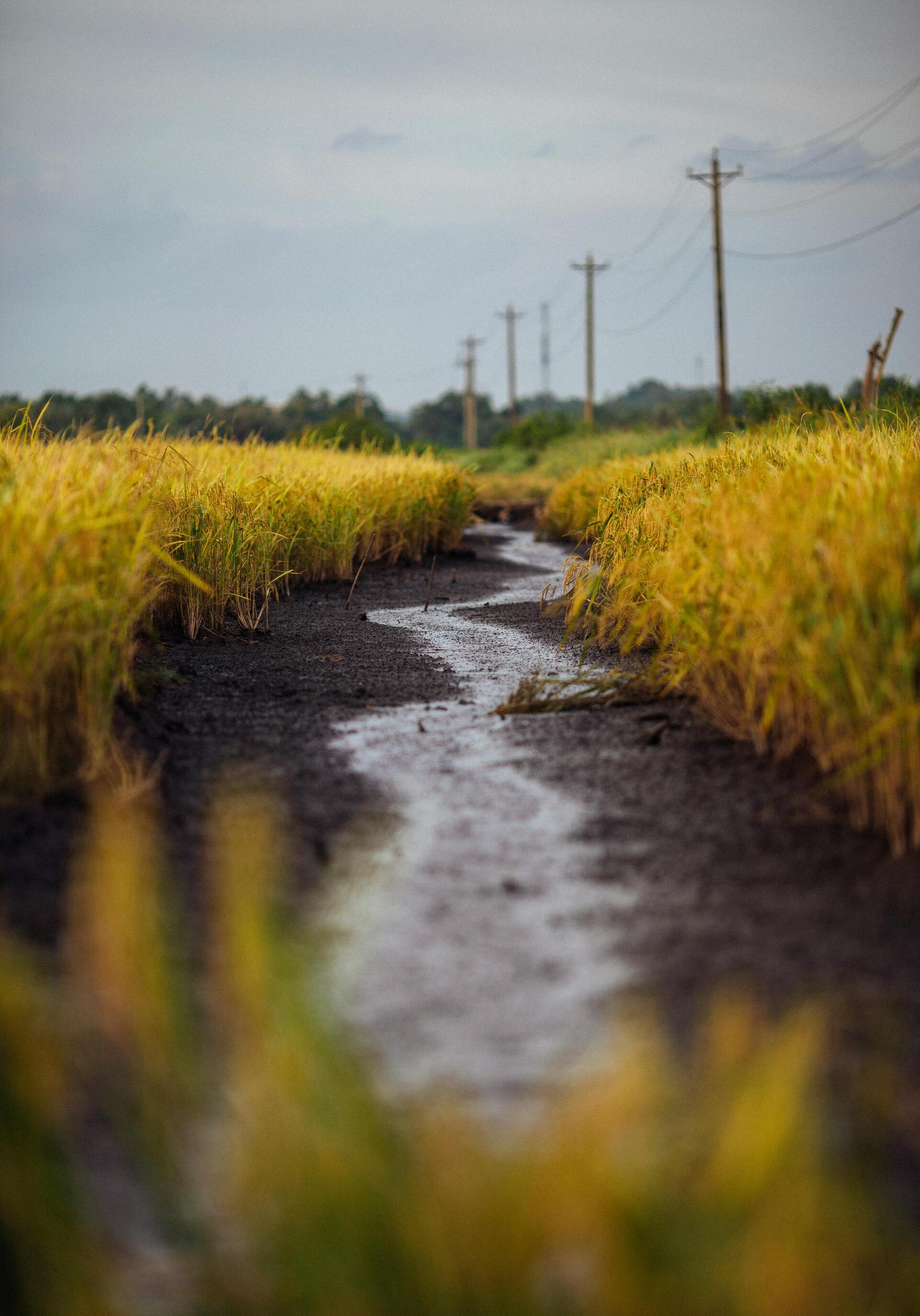 Photo by Thanh Nguyễn | In response to fluctuating seasonal rainfall and dwindling water supplies, these farmers began using drip irrigation, soil moisture sensors, and crop rotations that worked better in dry climates. They don't try to battle the drought; instead, they adapt to it by planting robust cultivars at the right times to take advantage of little precipitation and by using agro-ecological principles that lessen the need for water-intensive practices. Their narrative goes beyond just survival. It lays forth the steps to take in order to turn adversity into opportunity when farming. A new chapter is being written for Europe's water-stressed fields as they embrace smart agronomy, restore soil health, and protect livelihoods. Their story should serve as a clear warning to politicians, young agripreneurs, and AgTech experts: when water budgets are cut, innovation thrives. |
Fields & Frontiers
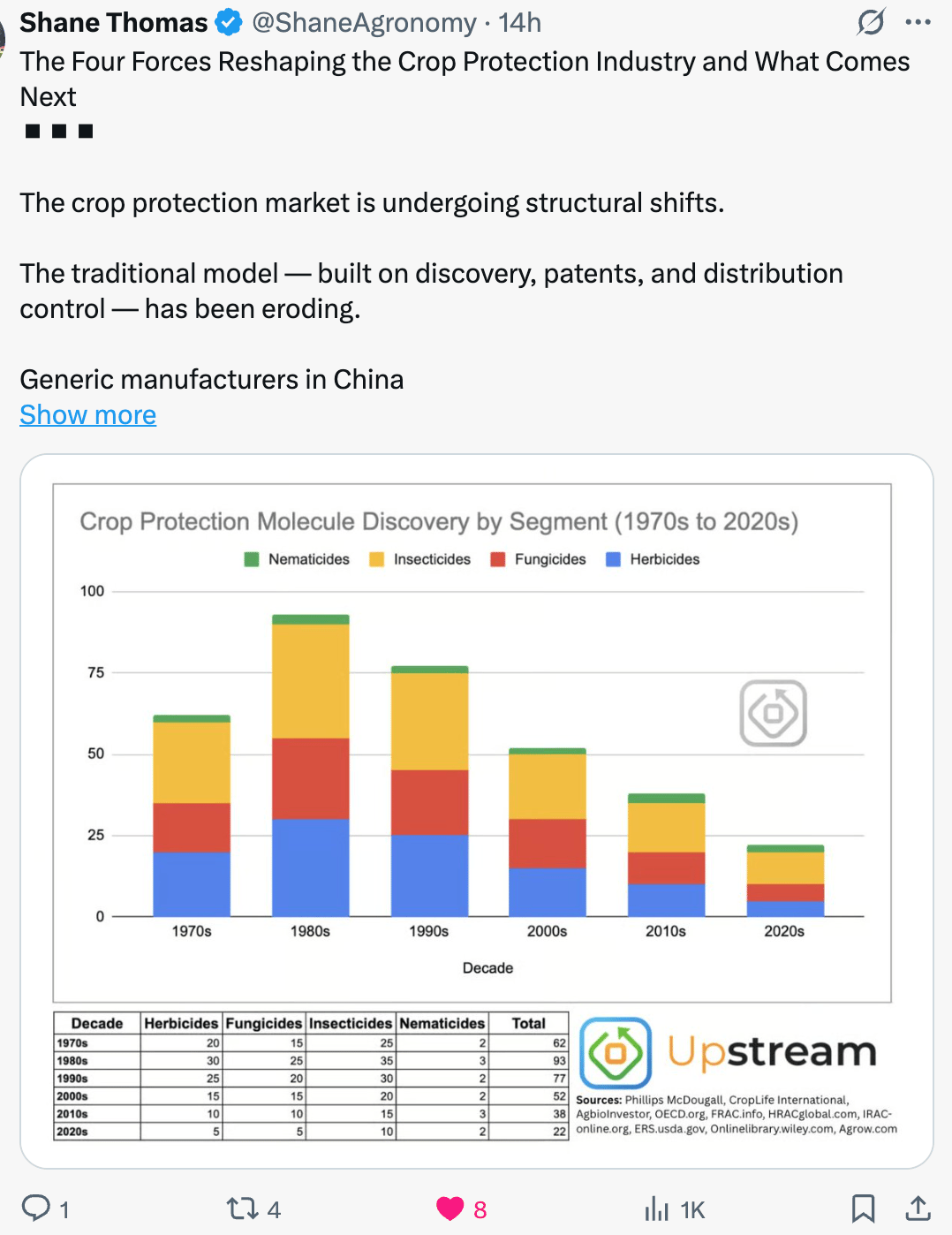
Unlocking Innovation, Danone: Danone’s open innovation model showcases a pragmatic approach to driving progress through collaboration and strategic partnerships. The company's tiny but powerful innovation platform connects internal expertise with startups, universities, accelerators, and venture funds. Danone empowers its specialists to discover requirements and partner with external innovators who can provide complementing technologies or ingredients. Danone keeps product IP, while partners retain tech or ingredient IP, encouraging win-win collaborations. It uses data-driven insights, including AI, to adjust nutrition solutions to new trends like GLP-1 medicines and the Ozempic period and fulfill consumer needs. Danone's strategy of ecosystem participation, expert autonomy, and openness to new technologies can help AgTech developers. This adaptable, partnership-centric mindset accelerates innovation, eliminates risks, and promotes market-specific, scalable solutions. Danone's open innovation shows how agility and collaboration are essential in today's complicated tech ecosystems and changing customer habits. More on this on Linkedin.
Italy’s €55 M AgTech Leap: Just recently, Italy has established a precedent for the future of food systems in Europe. Milan-based Maia Ventures has announced the opening of its first fund, which is a €55 million investment vehicle devoted to early-stage agrifood technology firms. With backing from the European Investment Fund and CDP Venture Capital, as well as heavyweights in Italy's food industry such as Cereal Docks and Andriani, and a team of rigorously scientific individuals at the helm, this fund is about more than just capital; it is about industrial leverage, data-driven innovation, and the construction of a resilient food ecosystem. What is particularly interesting is the way in which it fits with Europe's own strengths: Italy already possesses a culinary tradition of world-class quality, excellent university labs, and supply-chain scale. approach taken by Maia? The goal is to target twenty to twenty-five businesses that have funding needs ranging from half a million to one and a half million euros, focussing particularly on initiatives centred around food, health, and sustainability.
AI Tops the R&B Charts!: Well, it’s finally happened. The machines aren’t just coming for our jobs, they’re coming for our jam sessions too. AI artist XANIA MONET has just made history by debuting on Billboard's Adult R&B Airplay chart; no humans, no vocals, just pure algorithmic soul. I know that somewhere, a jazz singer is clutching their mic in disbelief. Her track, entirely generated by artificial intelligence, has done what few thought possible: it feels. It croons. It vibes. And it’s forcing the music world to ask some awkward questions. Like, can a robot win a Grammy? Or worse, demand royalties? Whether you’re thrilled or thoroughly unsettled, one thing’s certain: XANIA MONET’s rise isn’t just a musical milestone, it’s a full-blown identity crisis for the industry. The next time your playlist gives you goosebumps, you might just have to thank your nearest algorithm. Would you stream an AI artist on repeat or is that where you draw the line?
Why the Robot Revolution Isn’t What You Think: In a recent interview, Paul Mikesell, the founder of Carbon Robotics, shared some exciting news about the company’s new €20 million funding round aimed at developing a secret AI farming robot, in addition to their well-known Laser Weeder. He mentions that harvesting robots are tricky since they need to be designed for specific crops, while weeding robots can easily adapt to different types of crops. That insight really changes the game for smaller EU growers when it comes to automation. So, here’s the exciting part — Carbon Robotics just opened a new manufacturing facility in the Netherlands to get things moving in Europe more quickly. The main point is pretty straightforward: if Europe wants to take the lead in the next AgTech wave, farmers, regulators, and financiers must be prepared. Their readiness is more important right now than the technology itself. Do you think small and mid-sized farms are prepared for modular automation that focuses on ROI? Do you think the European investment scene is ready to support “robotics for medium farms” instead of just focusing on the big players? Dive into the full interview on AgFunder News.

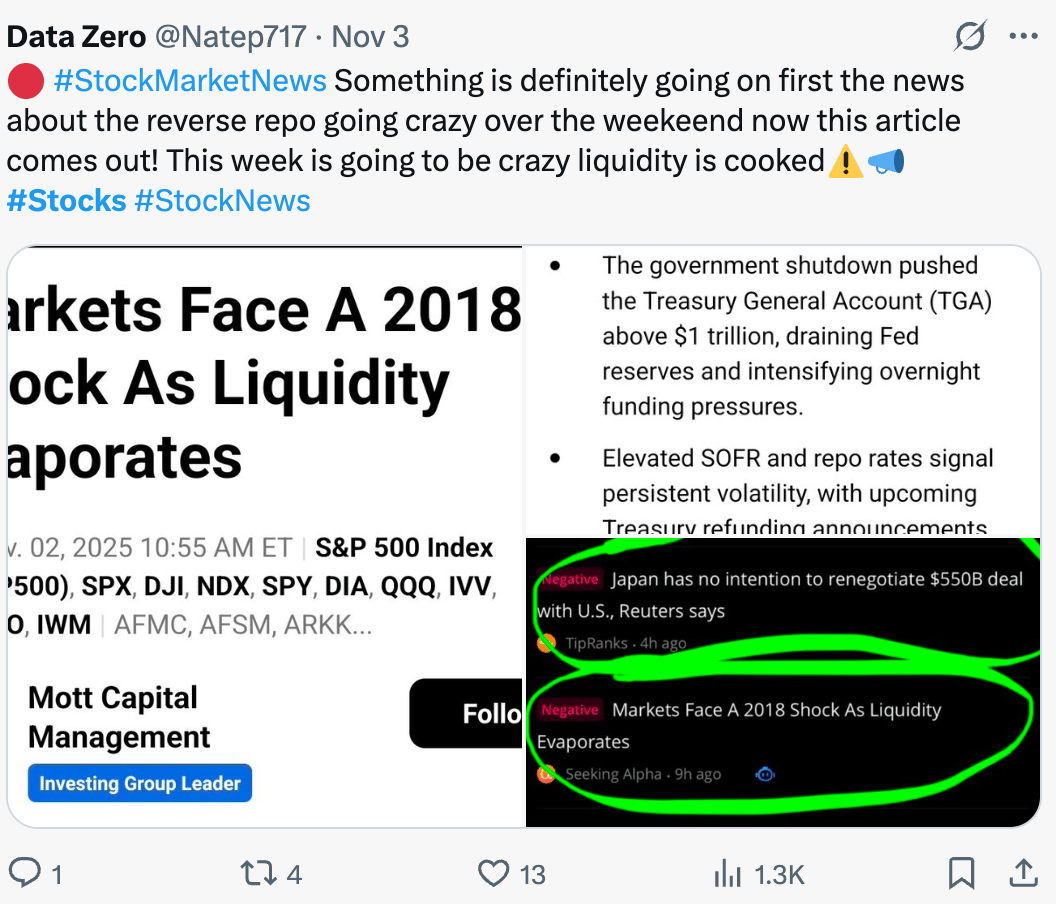
Balancing Act: OPEC’s Calculated Pause: OPEC+ has announced a modest increase in oil production by 137,000 barrels per day for December 2025, maintaining a steady approach after recent hikes. The group, on the other hand, wants to stop increasing production in the first quarter of 2026 because they are worried about oversupply and the market's prolonged uncertainty. This choice shows a careful approach to keeping supply and demand in check as the world economy changes and sanctions hurt Russian oil production. Analysts think the move was a planned break to keep oil prices and the market stable. This shows that OPEC+ wants to keep a close eye on how things change before making any more changes. For the oil sector, this careful approach shows how hard it is to keep a balance between making money and dealing with the current geopolitical and economic problems. The meeting on November 30 is likely to have an even bigger impact on the group's output plans for 2026. Here's more.
Food Aid Frozen While Food Flows to Waste: In a twist that couldn’t be more absurd, the U.S. has pressed pause on food-aid payments just as the country admits to tossing a staggering $400 billion worth of food into the bin annually. While millions rely on the Supplemental Nutrition Assistance Program (SNAP) to simply eat, the list of wasted food keeps growing. Imagine families skipping meals amid counters full of untouched groceries and restaurant leftovers. It’s a culinary black hole of irony—where hunger and waste coexist in the same ZIP code. For Europe, this serves as a dramatic cautionary tale about food systems out of sync. As the shutdown stretches into weeks, families are facing empty plates while surplus stays piled high. Could this be a blueprint for mis-managed food aid everywhere? And if so, what safeguards do we need to prevent a similar spectacle here in the UK and EU?
AI Success Factors: The MIT State of AI in Business report reveals why 95% of AI projects fail and what agribusiness can learn. The key is not technical limitations but organisational structure and workflow integration. Successful AI efforts focus on specific, repeatable tasks with systems that learn from feedback and adapt over time. For agtech, this means embedding AI deeply into existing processes rather than isolating it in innovation labs. Empowering frontline managers who control outcomes and decentralising implementation authority leads to better results. The report points out the need for contextual learning—AI tools must retain feedback and adapt to real-world nuances to avoid poor adoption. Agribusinesses are advised to prioritise buying over building AI solutions and treat vendors as strategic partners focused on operational outcomes. The main takeaway is clear: to maximise AI’s impact, agtech companies must combine focus, workflow understanding, and change management to create dynamic, integrated systems that drive measurable value and competitive advantage.
Meati in Trouble: Meati, the company known for its fungi-based meat alternatives, is really struggling financially right now. Employees aren't getting paid, and the overall morale is taking a hit. Pay cheques being delayed and the lack of clear communication have really made staff feel anxious and disconnected, showing just how much corporate instability can affect people. Here’s a little heads-up: while it’s exciting to grow and innovate quickly, it’s super important to keep a good balance with strong leadership, solid finances, and open communication. Creating a strong business isn't just about chasing after the latest technologies; it's also about building trust and support for the people who make those innovations happen. Ift this isn't in place, even the best ideas could fall apart from the inside. Focus on sustainability and people while also embracing innovation to build lasting success. For more reflections on this, visit AgFunder News.
Answer to Brain Teaser
Because he had no body to go with.
Till You Laugh


Disclaimer

Follow
  |   |