- Networth Farmer
- Posts
- When Technology Learned to Farm
When Technology Learned to Farm

Networth Farmer
November 12, 2025 • Estimated Reading Time: 16 minutes

“We do not inherit the earth from our ancestors, we borrow it from our children”
~ An American Proverb
Table of Contents
New In Ag-Tech
The Galician Vertical Farm That's Cracking Cost Competitiveness
In Spain, the average age of a Spanish farmer is 61.4 years. Most of them would never come back to the fields after five years. Neboda Farms, based in Galicia, isn't just replacing them; they're changing the way farming works by using lean manufacturing techniques that were perfected in car manufacturers on vertical farms. Néboda was started in 2019 by CEO Iván García Besada and CTO Anne Krus. The company uses hydroponics, robots, and artificial intelligence to grow basil and leafy greens indoors without using pesticides. Their 200 m² pre-industrial plant makes 8,000 kg a year, which is marketed through fruit and vegetable distributors all over Spain and Portugal.
So what is so different about Neboda Farms? Unlike other many spectacular failures of vertical farming, this company is brutally honest about costs. García doesn't promise moonshots; instead, he offers prices that are competitive with traditional farming while offering better quality and a longer shelf life. The company says that its patented automation increases crop yields considerably above the industry average while lowering both OPEX and CAPEX.
The technology platform uses Krus's computer vision, which he worked on for five years by looking at drone photographs and AI. Néboda says it saves more than 90% of water. They joined Skytree's Pioneer Program in late 2023 to use Direct Air Capture technology on their farm, which can make up to 12 kg of pure CO2 every day. This lowered CO2 prices by 79% and got rid of the need for fossil fuel-based CO2 supply lines.
In July 2025, Clave Capital, UNIRISCO, Xesgalicia, Eatable Adventures, and CDTI Innovación gave €1.84 million in startup money. Flash Express Resources will pay for research and development and automation equipment for their new mesclun salad line, which will start as a trial project in 2025.
As they are ready for a Series A round to develop their first industrial-scale factory, Néboda wants to check key business indicators and make deals with major fresh produce distributors around the Iberian Peninsula. Flash Express The corporation wants to have four production centres developed near major cities by 2028.

Photo Credits: Neboda Farms
Brain Teaser
I’m at your fingertips but hidden from view. One wrong move and you’ll wish you never touched me.
Nature’s Original Agri-Tech
Sixty-six million years ago, while dinosaurs dominated the venture capital scene of the Cretaceous, a group of scrappy underdogs was about to disrupt the entire food industry. They had no business plan, no seed funding, and measured just millimeters in length. Yet these tiny entrepreneurs launched the most successful agricultural startup in planetary history.
Meet the World's 1st AgTech Founders: Ants.
When the asteroid impact created a global recession that wiped out 75% of all species, these nimble insects spotted a market opportunity others missed. While megafauna struggled with legacy business models, the ants identified an underserved niche—fungal cultivation in a post-apocalyptic landscape.
Their timing was perfect. The market conditions were ideal: abundant organic matter, minimal competition, and a fungi ecosystem primed for partnership. Like any smart startup, they started small, testing their minimum viable product in local markets before scaling operations.
The business model was brilliant in its simplicity. Instead of competing in the crowded hunting and gathering space, they created an entirely new category: agricultural production. They provided fungi with optimal growing conditions, protection from competitors, and nutrient delivery, while the fungi supplied sustainable food resources in return.

What separated these entrepreneurs from the competition was their commitment to continuous innovation. They developed sophisticated cultivation techniques, implemented quality control measures, and even maintained biological seed banks—essentially creating the world's first agricultural IP portfolio.
The scalability was phenomenal
From humble beginnings in post-impact debris fields, they expanded operations across continents. Their business model proved so robust it survived every economic downturn, climate shift, and market disruption for 66 million years.
Today, leafcutter ant colonies operate agricultural enterprises supporting millions of individuals through vertically integrated farming operations that would make modern agribusiness executives envious. They've achieved the entrepreneur's ultimate dream: building sustainable businesses that literally outlast geological epochs.
The lesson for modern startups? Sometimes the biggest opportunities emerge from the biggest disruptions. When the world ends, the survivors aren't always the biggest players but those agile enough to pivot when everything changes.
Digital Pasture


Tending Dreams
Young farmers Anna and Dávid Goldmann are subtly changing the game in agriculture in the sleepy Hungarian village of Bekölce. They lease 60 ha and own 10 ha of their 70 ha regenerative-agriculture firm, Hope Farm, which is 90% used as grazing in an agro-forestry system.
Their experience serves as a reminder that grassroots efforts are the best way to combat climate change, especially as attention turns to COP 30. In 2019, they departed from the city in pursuit of chemical-free, organic farming. This means they will not use any chemicals, antibiotics, or pesticides. Soils that breathe, animals that graze in sync with nature, and resilient systems are all fundamental to their philosophy and the climate discourse at large.
To increase their chicken and beef production by a factor of two, boost their product quality, and reach customers all over Hungary, Hope Farm made an investment in processing capacity by purchasing machinery and a delivery vehicle. However, transformation, not manufacturing, is at the core of what they do. By sharing stories about their way of life on social media, they are influencing the next generation to think differently about farming, food, and the future.
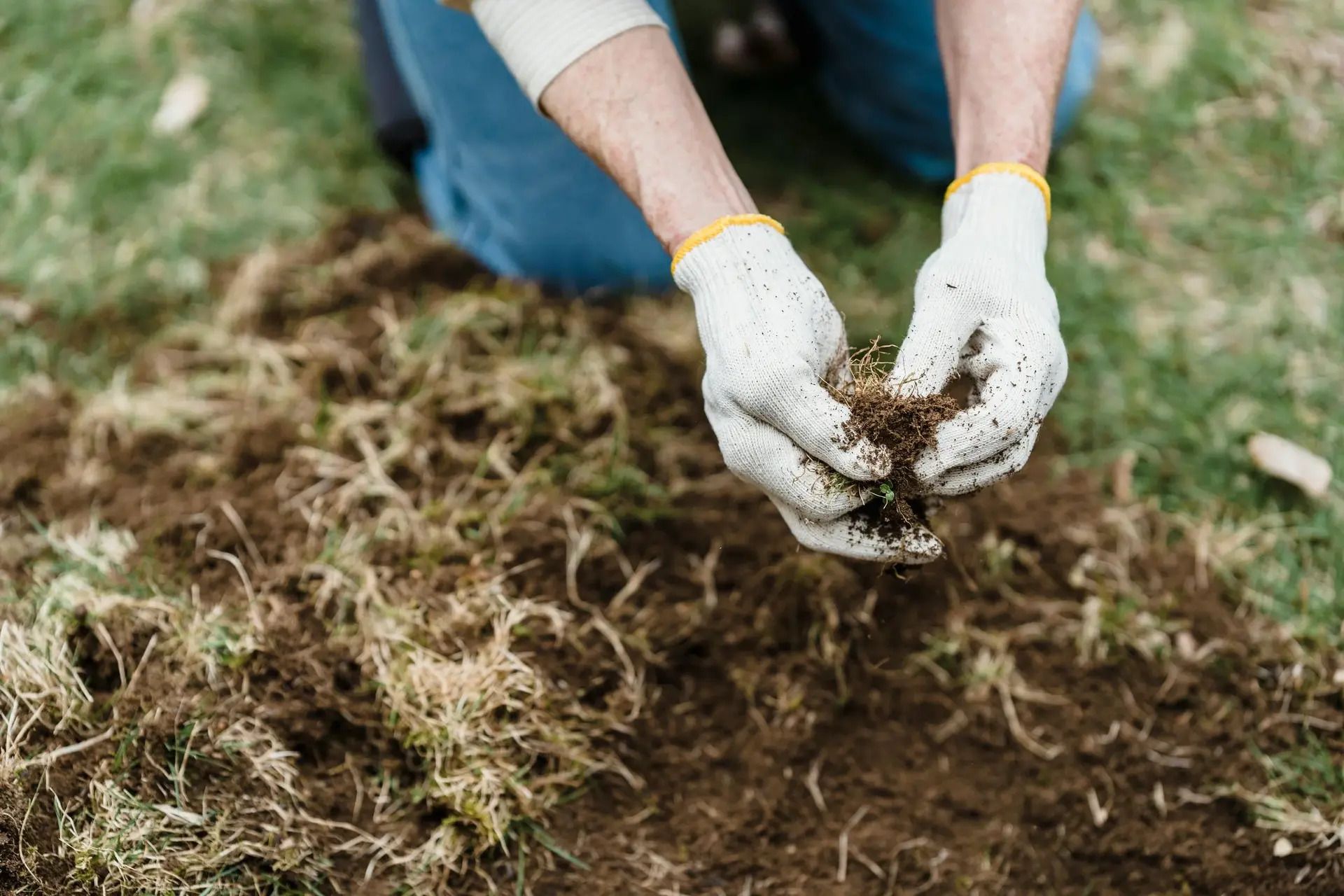
As delegates from around the world gather at COP 30 to discuss the next chapter in the climate agreement, we may learn from this small-scale experience. Rooted on ecological cycles, diversity, and long-term thinking, regenerative agriculture is more than just an abstract aim. As it unfolds in places like Hope Farm, it gives us reason to believe that our food systems have the potential to heal the earth instead than harm it.
Climate action is about the decisions made every day on farms, in supply chains, and at dinner tables—not just about policies or technology, especially for European audiences. As demonstrated at Hope Farm, a more equitable, climate-resilient, and healthy future is possible when young people take an active role in farming.
Fields & Frontiers
Unlocking the Power of a Unified Data Ecosystem: European Agriculture and Food Authorities brought attention to the ambitious endeavour to create a truly unified data ecosystem for agriculture in Europe on LinkedIn. With the start of the AGRIDATA project, we can see how new data flows, digital platforms, and governance frameworks are being used to get useful information from farms, supply chains, and policy-making. Tomorrow's victors in AgTech will be those who use these tightly-knit digital threads: data that can be used by different systems, analytics that happen in real time, and business models that connect the farm gate to the boardroom. We talk about how new businesses, growing businesses, and established businesses may go ahead right now. This could include joining EU-level projects, combining sensor networks with powerful machine learning, or creating cooperatives that trade data as well as crops.
Tune in to learn about the strategic effects: How will this change the balance of power in Europe's agri-food chain? What new relationships are forming between farmers, digital companies, and government agencies? And most importantly, where are the chances and risks for people who are ready to lead the next wave of digital change in agriculture? This Food for Europe podcast delves into a game-changing update.
Why Mark Cuban Says ‘Just Don’t Raise’: In this sharp and candid piece, Mark Cuban turns the typical start-up playbook on its head: “Don’t raise money,” he says. Instead of chasing funding for funding’s sake, Cuban digs into the 30 critical mis-steps founders make when dealing with VCs. From misjudging timing and dilution risks, to missing the right strategic alignment and underestimating what it costs to take someone else’s money, this article invites founders to pause and rethink. Before you launch that pitch deck, learn why, when and how raising capital actually makes sense. It’s less about the buzz, more about the build.
Latin America’s AgTech Moment: Are you looking beyond the usual European innovation hubs? Then you’ll want to take a serious look at Latin America—and The Yield Lab LatAm’s newly announced $20 million Ignition Fund is your gateway. An interview with managing partner Ana Laura Fernández at AgTech Navigator says that this fund will help early-stage AgTech startups in an area that makes 14% of the world's food but only gets 4% of impact funding. From a European AgTech point of view, what is most interesting? The fund is looking for new ideas in areas like climate-resilient farming, financial inclusion, and the blue economy that can quickly be used by a lot of people. Fernández says that Latin America is a good place for new businesses to grow because of its big farms, lack of water, and many young people who want to start their own businesses. This is a call to action for AgTech companies in Europe: Could your tools, data platform, or bio-input work with the problems that Latin America has? If it does, are you ready to work with people around the world?
Nature’s Smart Retreat: With December’s festivities approaching, we've had an early glimpse of something remarkable: a retreat where nature whispers and technology listens. Introducing the Intaaya Retreat — perched on the cliffs of Nusa Penida and designed by Pablo Luna Studio — where architecture is not merely constructed, but nurtured in harmony with the environment. Crafted from bamboo, rammed earth, and locally sourced stone, its design blends biomimicry with elegance, every curve and surface attuned to its surroundings. For our “When Technology Learned to Farm” edition, this serene sanctuary incorporates passive ventilation, solar panels, and modular systems communicating with the land. Far from a mere luxury hideaway, it offers a glimpse of the future where place, production, and technology merge. Intrigued? Discover what lies ahead…

Photo by Pablo Luna Studio
From Battlefield to Barnyard: What if the next big thing in farming didn't come from a research facility, but from the battlefield? This week, we look at how decades of military research and development, from drones that fly through dangerous skies to sensor systems that see in the dark, are changing the way we grow food. AgTech is learning from the military to be precise, quick, and efficient. Like troops need real-time information, farmers of the future will need data that is connected, designs that are flexible, and instruments that are made for accuracy, not more. But there is a human thread that runs through it all: invention that comes from need. The same rules that keep soldiers safe are now keeping crops, soil health, and long-term viability safe. As Europe's farms becoming smarter and more connected, one of the best things we can learn from the military is how to think: adapt quickly, test often, and never squander a mission. Read the full story here.
When Santa Met the Glitch: Speaking of holidays, it looks like the latest Coca‑Cola holiday ad is causing more cringes than cheers. The nostalgic “Holidays Are Coming” commercial has been rebooted in 2025 using generative AI and it’s landed with a bump. Viewers spotted everything from red trucks losing wheels to weirdly animated animals, with one critic calling it a “soulless, dated eyesore” in contrast to the slicker AI seen elsewhere. What’s especially ironic is the effort to capture cosy festive warmth, yet the execution feels chilly. I spy a tiny team of five AI specialists who processed 70,000+ clips in just 30 days. If even Coca-Cola’s massive production flops the festive magic, how are smaller brands supposed to navigate the balance of tech, authenticity and emotion?
Data Meets Green: Rachel Delacour, CEO and co-founder of Sweep, talks to Green Digest about business climate action in a way that goes beyond the buzzwords of ESG. Rachel and her team launched Sweep in 2020 to solve what she calls "the biggest data problem" in sustainability. Rachel has been working with data and SaaS for 15 years. What makes Sweep so special? A "single-source-of-truth" platform that lets big companies upload data once and use it for all of their reports, whether they are for CSRD, ISSB, or GRI. Big clients now see sustainability as a way to be ahead of the competition, not just as a way to follow the rules. She also talks about how the industry has changed over time: carbon tracking used to feel like acid rain, but now it gives you measurable ROI. She says, "Our clients are being told that their ability to manage sustainability data would raise their share price by 10%." It's no longer discretionary to put sustainability measures next to operational data as farms and supply chains go digital; it's now a strategic decision. Read the whole interview on Green Digest.
Answer to Brain Teaser
A Virus
Till You Laugh


Disclaimer

Follow
  |   |